
In the ever-evolving world of custom apparel, DTF transfers have emerged as a revolutionary method for creating vibrant, durable prints on a wide range of fabrics. Whether you're a small business owner, a hobbyist, or a large-scale printer, understanding this technology can open new doors for creativity and efficiency. In this comprehensive guide, we'll dive deep into what DTF transfers are, how they compare to other methods, and how you can leverage them for stunning results.
What Are DTF Transfers?
DTF (Direct to Film) transfers involve printing a design onto a special PET film, applying adhesive powder, and then heat-pressing the film onto a garment. This process transfers the ink from the film to the fabric, resulting in a vibrant, detailed print. Unlike traditional screen printing or vinyl, DTF transfers allow for full-color, high-resolution images with no minimum order quantities, making them perfect for custom orders and small batches.
The DTF Transfer Process: Step-by-Step
Creating a DTF transfer involves several key steps:
- Printing: The design is printed onto a clear PET film using a specialized DTF printer with CMYK + white ink.
- Adhesive Application: While the ink is still wet, a hot-melt adhesive powder is applied to the design. This powder is what will later bond the print to the fabric.
- Drying: The film is then passed through a dryer or heat tunnel to melt the adhesive and cure the ink.
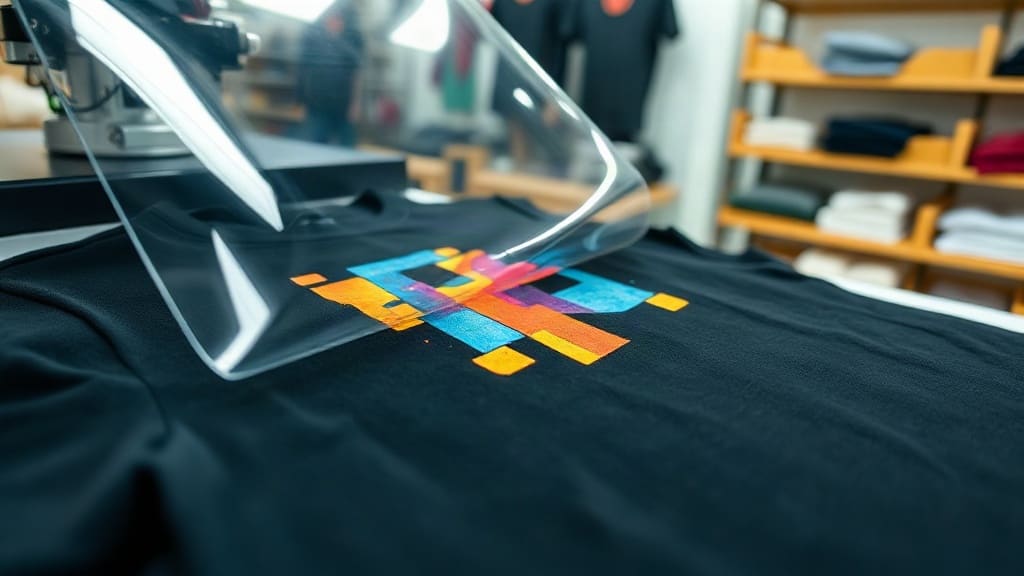
- Transfer: The film is placed on the garment with the design facing down, and heat and pressure are applied using a heat press. The adhesive melts, and the ink is transferred to the fabric.
- Peeling: After pressing, the film is peeled away, leaving the vibrant design permanently adhered to the garment.
Why Choose DTF Transfers?
There are several advantages that make DTF transfers a preferred choice for many:
- Versatility: DTF transfers work on a wide variety of fabrics, including cotton, polyester, blends, and even challenging materials like nylon and leather.
- Vibrancy and Detail: The white ink layer under the color inks ensures that designs pop on dark fabrics, while the high-resolution capability captures intricate details.
- Durability: Transfers are stretchable and withstand repeated washing, maintaining their appearance over time.
- No Minimums: You can print a single item or thousands, making it ideal for print-on-demand and custom orders.
- Cost-Effective: For small to medium runs, DTF transfers are often more economical than screen printing, which has high setup costs.
- Ease of Use: The process is straightforward, and with the right equipment, anyone can produce professional results.
DTF vs. Other Printing Methods
To fully appreciate DTF transfers, it's helpful to compare them with other popular techniques:
- Screen Printing: While screen printing is great for large orders and simple designs, it requires significant setup and is not cost-effective for short runs. DTF transfers offer more flexibility and easier color changes.
- Direct-to-Garment (DTG): DTG printing directly on shirts is excellent for detailed designs but works best on 100% cotton. DTF transfers work on a wider range of fabrics and can be applied to pre-made items like hats and bags.
- Vinyl (Heat Transfer Vinyl): Vinyl cutting is limited to single-color or simple multicolor designs and can be time-consuming. DTF transfers can reproduce full-color, photographic designs with ease.
Tips for Designing DTF Transfers
To get the best results from your DTF transfers, keep these design tips in mind:
- High Resolution: Always use high-resolution images (300 DPI) to ensure crisp, sharp prints.
- Color Management: Since DTF uses CMYK plus white, your design should be in CMYK color mode to avoid unexpected color shifts.
- Consider the White Base: The white ink layer acts as a base, so avoid using white text or elements unless necessary; they can appear thick due to the white underbase.
- Appropriate Sizing: Ensure your design is appropriately sized for the imprint area. Common print areas are up to 12x12 inches for standard shirts.
- Test Prints: Always do a test print on a sample fabric to check colors and adhesion before running a full batch.
Materials and Equipment Needed
To start with DTF transfers, you'll need:
- DTF Printer: A printer specifically designed for DTF, often an EPSON or similar with a conversion kit.
- PET Film: Special clear film designed to hold the ink and release it during heat pressing.
- Adhesive Powder: Hot-melt powder that activates under heat and pressure.
- Heat Press: A heat press capable of reaching temperatures around 160°C (320°F) and applying consistent pressure.
- Oven or Dryer: To cure the adhesive after application; some use a flash dryer or a heat tunnel.
Application Instructions
For perfect results when applying DTF transfers, follow these steps:
- Pre-press the garment for a few seconds to remove moisture and wrinkles.
- Place the DTF transfer on the garment, design side down, in the desired position.
- Use heat-resistant tape to secure the film in place.
- Set your heat press to the recommended temperature (usually around 160°C) and pressure (40-60 psi).
- Press for 10-15 seconds, depending on the fabric.
- Peel the film while it is still warm (hot peel) or after it cools, depending on the adhesive type.
- Cover the print with a protective sheet and press again for a few seconds to ensure a strong bond.
Frequently Asked Questions
Can I use DTF transfers on dark colored garments?
Yes, DTF transfers are excellent for dark fabrics because the white ink base ensures the design remains vibrant and opaque. The white layer prevents the garment color from showing through the design.
How many washes can DTF transfers withstand?
Properly applied DTF transfers are quite durable and can withstand 50 or more washes, provided you follow care instructions like washing inside out in cold water and avoiding harsh detergents.
What is the difference between DTF and sublimation?
Sublimation printing works only on polyester or polymer-coated materials, and it dyes the fabric itself. DTF transfers can be applied to any fabric, making it more versatile. Sublimation is better for all-over prints, while DTF is ideal for detailed, smaller designs.
Do I need special equipment to apply DTF transfers?
Yes, you need a heat press that can reach the required temperature and provide even pressure. While some use home irons, they don't provide consistent results, so a proper heat press is recommended.
Can I mass-produce with DTF transfers?
Absolutely. DTF transfers are scalable. You can print hundreds of films in advance and then apply them whenever needed. This makes it efficient for both small custom orders and large production runs.
Are DTF transfers eco-friendly?
DTF transfers use water-based inks, which are more environmentally friendly than plastisol inks used in screen printing. However, the adhesive powder and film are not biodegradable, so proper waste disposal is important.
Conclusion
DTF transfers offer a flexible, cost-effective, and high-quality solution for custom apparel printing. Whether you're just starting or looking to expand your services, this technology deserves serious consideration. With the right materials and techniques, you can produce stunning prints that satisfy your customers and grow your business.