
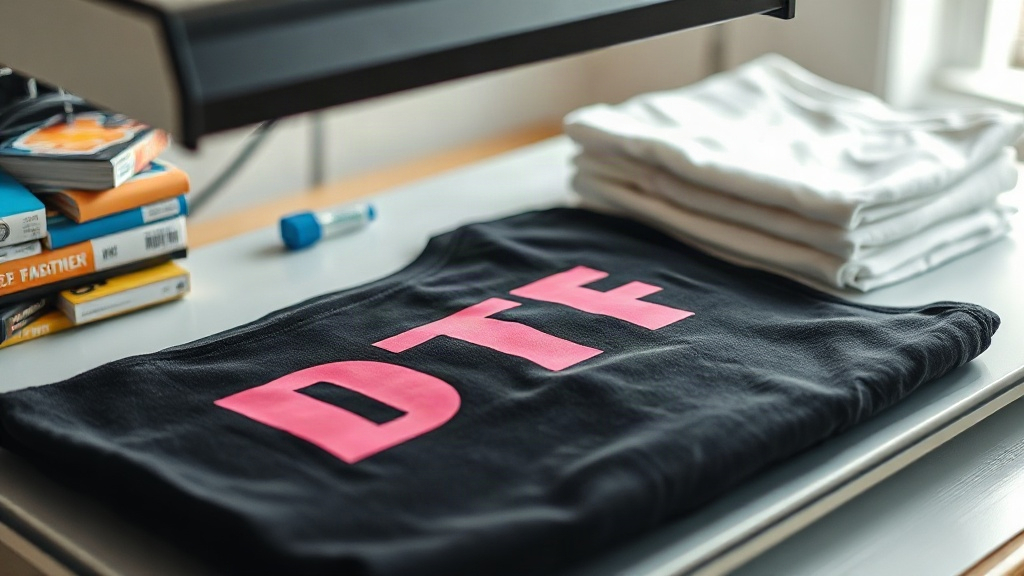
When you first try DTF transfers, the garment you press them onto can make or break the final result. I learned this the hard way after ruining a batch of shirts with a cheap heat press and the wrong blank. Since then, I've tested dozens of combinations, and two brands consistently deliver: Shaka Wear and Smart Blanks. In this guide, I'll share everything I've discovered about using DTF transfers with these blanks, from fabric composition to pressing parameters, so you can get professional-looking prints without the trial and error.
Why DTF Transfers Are a Game-Changer for Custom Apparel
DTF, or direct-to-film, transfers have exploded in popularity for good reason. Unlike vinyl or screen printing, DTF lets you produce full-color, photographic-quality designs without minimum orders or messy setup. The process involves printing your design onto a special film, coating it with adhesive powder, and then heat-pressing it onto fabric. The result is a soft, stretchable print that holds up wash after wash.
But here's the catch: not all fabrics play nice with DTF. The adhesive needs a smooth surface to bond properly, and some blends resist adhesion. That's why choosing the right blank is critical. After testing many brands, I keep coming back to Shaka Wear and Smart Blanks because their fabrics are consistent and DTF-friendly.
Understanding Shaka Wear: Quality You Can Feel
Shaka Wear has built a reputation among streetwear brands and print shops for heavyweight, durable garments. Their t-shirts, hoodies, and tank tops are made from 100% cotton or cotton-poly blends, and the fabric has a tight weave that provides an ideal surface for DTF transfers.
Why Shaka Wear Works So Well with DTF
I've pressed DTF transfers onto dozens of Shaka Wear tees, and the consistency is remarkable. Their 6.0 oz and 7.5 oz cotton tees have a smooth, even texture that allows the adhesive to penetrate without pooling. The prints come out vibrant, with crisp edges and no cracking, even after multiple washes.
One thing to note: Shaka Wear's heavyweight fabrics require a bit more pressure and slightly longer press times. I typically use 325°F for 15 seconds with medium-heavy pressure. If you're used to pressing on lighter blanks, you'll need to adjust.
Best Shaka Wear Styles for DTF
- Shaka Wear SHSS600 (6.0 oz cotton tee): A classic choice for everyday prints. The smooth surface takes DTF beautifully.
- Shaka Wear SHSS750 (7.5 oz heavyweight tee): Ideal for oversized streetwear designs; just increase press time to 18 seconds.
- Shaka Wear fleece hoodies: DTF works great on these too, but pre-press the fabric for 5 seconds to remove moisture.
Smart Blanks: The Budget-Friendly Option That Doesn't Skimp on Quality
Smart Blanks might be less famous than Shaka Wear, but they've earned a loyal following among small print shops and DIYers. Their blanks are soft, lightweight, and affordable, making them perfect for sampling new designs or producing large orders without breaking the bank.
How Smart Blanks Perform with DTF Transfers
I was initially skeptical about Smart Blanks because of their lower price point, but after pressing a few test shirts, I was impressed. The fabric is a cotton-poly blend (usually 60/40), which can be tricky for DTF because the polyester content can cause the adhesive to fail if not handled properly. However, Smart Blanks' fabric has a tight knit that minimizes this issue.
The key is to use a lower temperature and shorter press time to avoid scorching the polyester. I press Smart Blanks at 300°F for 12 seconds with medium pressure. The prints adhere well and feel soft, though they may not be quite as durable as on 100% cotton. For personal use or fashion pieces that won't be washed daily, they're excellent.
Recommended Smart Blanks Styles for DTF
- Smart Blanks 5000 (unisex tee): A lightweight, soft tee that takes DTF well with adjusted settings.
- Smart Blanks 9000 (premium tee): Slightly heavier and smoother, giving better DTF adhesion.
- Smart Blanks hoodies: Great for DTF if you pre-press and use a teflon sheet to protect the print.
Step-by-Step: Applying DTF Transfers to Shaka Wear and Smart Blanks
Getting a perfect DTF transfer isn't just about the blank; it's about the process. Here's my tried-and-true method for both brands.
- Preheat your press: Set the temperature according to the blank (325°F for Shaka Wear, 300°F for Smart Blanks).
- Pre-press the garment: This removes wrinkles and moisture. Press for 5-7 seconds.
- Position the transfer: Place the DTF film with the design facing up. Use heat tape if needed to keep it in place.
- Press: For Shaka Wear, press for 15 seconds at medium-heavy pressure. For Smart Blanks, press for 12 seconds at medium pressure.
- Peel: Wait 5-10 seconds for the transfer to cool slightly, then peel the film off in a smooth, even motion. If you peel too hot, the design may stretch; too cold, and it might crack.
- Post-press: Cover the design with a teflon sheet or parchment paper and press again for 5 seconds to smooth the print and improve washability.
Common Pitfalls and How to Avoid Them
Even with the right blanks, things can go wrong. Here are the issues I've encountered and how to fix them.
Adhesion Problems on Smart Blanks
If your DTF transfer peels off Smart Blanks, it's likely due to insufficient pressure or too low a temperature. The polyester in the blend needs a bit more heat to activate the adhesive, but too much heat will scorch the fabric. Try increasing pressure first, then bump the temperature by 5°F if needed.
Cracking on Shaka Wear Heavyweight
Shaka Wear's heavyweight cotton is dense, so the adhesive needs to penetrate deeply. If you see cracking after washing, you probably didn't press long enough. Increase press time to 18 seconds and ensure your pressure is even across the platen.
Frequently Asked Questions
Can I use DTF transfers on 50/50 blends like Smart Blanks?
Yes, but you need to adjust your settings. Lower the temperature to 300°F and reduce press time to 12 seconds to prevent scorching. Also, pre-press the garment to remove moisture, which can interfere with adhesion.
How durable are DTF transfers on Shaka Wear shirts?
When applied correctly, DTF transfers on Shaka Wear can last 50+ washes without fading or cracking. The key is proper pressure and post-pressing. I've worn a Shaka Wear tee with a DTF print for over a year, and it still looks great.
Do I need a special heat press for DTF on these blanks?
Any heat press that reaches 325°F and provides consistent pressure will work. A clamshell press is fine, but a swing-away press gives more even results, especially on thicker garments like Shaka Wear hoodies.
What's the best way to wash DTF-printed Shaka Wear or Smart Blanks garments?
Turn the garment inside out and wash in cold water on a gentle cycle. Avoid fabric softener and bleach, and tumble dry on low or hang dry. This will maximize the life of your DTF transfer.
Final Thoughts: Choosing Between Shaka Wear and Smart Blanks
Both Shaka Wear and Smart Blanks are excellent choices for DTF transfers, but they serve different needs. If you're producing premium streetwear or need maximum durability, Shaka Wear is the way to go. For budget-friendly projects, samples, or lightweight fashion tees, Smart Blanks delivers impressive results with a few tweaks.
The most important thing is to test, test, test. Every heat press is slightly different, and fabric blends can vary between batches. Once you dial in your settings, you'll be able to produce stunning DTF transfers on these blanks consistently. And remember, DTF transfers are a versatile tool in your custom apparel arsenal, so don't be afraid to experiment.