
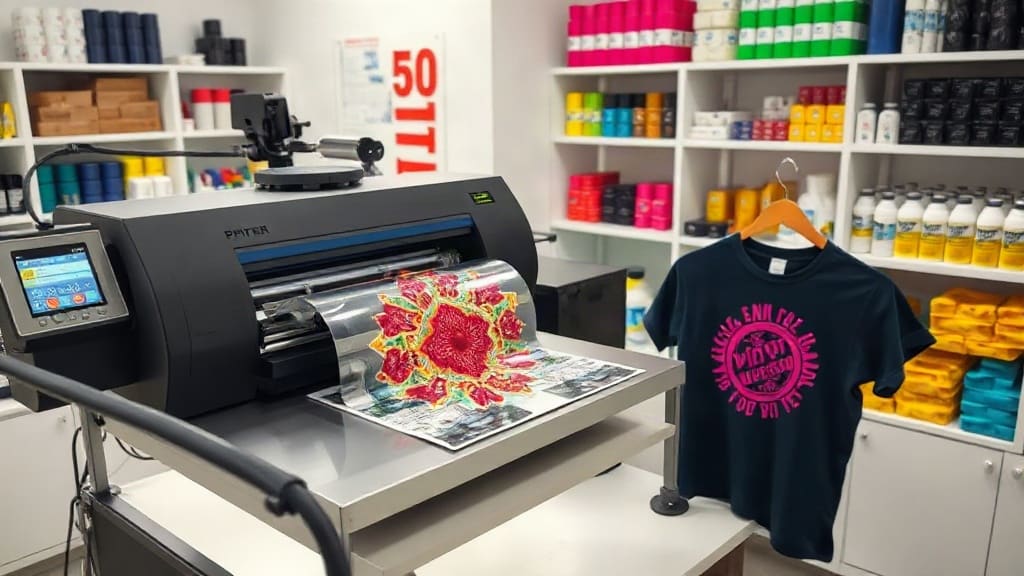
If you're in the custom printing world, you've likely heard about DTF transfers. This innovative method has taken the industry by storm, offering a versatile and cost-effective way to produce high-quality prints on various fabrics. In this guide, we'll dive deep into what DTF transfers are, how they compare to other methods, and share practical tips to help you master the process. Whether you're a seasoned professional or just starting, you'll find valuable insights to elevate your printing game.
What Are DTF Transfers?
DTF, which stands for Direct to Film, is a printing technique where a design is printed onto a special PET film using a DTF printer and then transferred to fabric using a heat press. Unlike traditional methods like screen printing or DTG (Direct to Garment), DTF transfers offer remarkable flexibility because they can be applied to a wide range of materials, including cotton, polyester, blends, nylon, and even leather. The process starts with a digital design, which is printed in reverse onto the film with a white base layer. Then, a hot-melt adhesive powder is applied to the wet ink, and the film is dried and cured. Finally, the transfer is placed on the garment and heat pressed to bond the design permanently.
One of the biggest advantages of DTF is that it requires minimal upfront investment compared to screen printing. You don't need separate screens for each color; the printer handles all colors in a single pass. This makes it ideal for small runs, full-color designs, and on-demand printing. Plus, the transfers can be stored for later use, allowing you to print in bulk and apply as needed.
How DTF Transfers Work: A Step-by-Step Breakdown
Understanding the process is crucial to achieving great results. Here’s a closer look at each stage:
- Design Preparation: Your artwork should be in high resolution (at least 300 DPI) and preferably in PNG format with transparency. To ensure the best print quality, you might need to use a RIP software to manage color separation and create the necessary white underbase.
- Printing: The design is printed onto a special DTF film (often PET) using DTF inks. The printer lays down colored inks first, then a layer of white ink for opacity. This white layer is essential because it ensures the design pops on dark fabrics.
- Applying Adhesive Powder: While the ink is still wet, a hot-melt adhesive powder is applied over the entire film. This powder sticks to the wet ink, and excess powder is removed using a shaker or vacuum system. The powder is what will later fuse the design to the fabric.
- Drying and Curing: The film is then passed through a dryer or heat tunnel to melt the powder and cure the ink. This step solidifies the adhesive and prepares the transfer for application.
- Cutting and Weeding: Once cured, the transfer is cut around the design, either manually or with a cutter/plotter. For intricate designs, you may need to weed out small negative spaces, but DTF often requires less weeding than vinyl because the entire design is on the film.
- Heat Press Application: To apply, pre-press the garment for a few seconds to remove wrinkles and moisture. Place the transfer film side up on the garment, and press with a heat press at around 300°F to 320°F (150°C to 160°C) for 15 to 20 seconds with medium to firm pressure. After pressing, peel the film while it’s still hot (hot peel) or after it cools (cold peel), depending on the film type.
That’s it! You now have a vibrant, durable print that can withstand many washes.
Key Benefits of DTF Transfers
Why are DTF transfers so popular? Here are some standout benefits:
- Versatility: DTF works on a wide range of fabrics and colors, including dark and tricky materials like nylon and spandex. It’s a fantastic option for sports jerseys, tote bags, and even non-textile items like leather patches.
- Cost-Effectiveness: No need for screens or expensive setup. You can print single items profitably, making it perfect for custom orders and small businesses.
- Soft Hand Feel: The transfers are thin and flexible, resulting in a soft print that doesn’t crack or fade easily. Unlike vinyl, DTF prints have a more garment-friendly feel.
- Time Efficiency: Once you have the transfer ready, applying it takes just seconds. This allows you to produce high volumes quickly, especially when using multiple heat presses.
- Durability: The adhesive powder creates a strong bond, so the design remains vibrant even after repeated washing. Typically, DTF prints can last longer than DTG on certain fabrics.
- No Weeding for Complex Designs: For full-color images, you don’t have to weed tiny pieces. The entire design is transferred as a whole, saving time and reducing mistakes.
DTF vs. DTG vs. Screen Printing: Making the Right Choice
To appreciate DTF transfers fully, it helps to compare them with other popular methods. Each has its strengths, so consider your specific needs.
DTG Printing
Direct to Garment printing is similar in that it's digital and great for detailed designs, but it prints directly onto the fabric using specialized inkjet technology. DTG is excellent for cotton garments and provides a soft print. However, DTG printers are expensive, and they require pre-treatment on dark fabrics, which adds time and cost. Additionally, DTG prints on polyester are less durable. In contrast, DTF transfers work beautifully on both cotton and polyester without pre-treatment, making them more versatile. For those who want to avoid the high initial cost of a DTG printer, DTF offers a lower barrier to entry.
Screen Printing
Screen printing is the traditional choice for large bulk orders because the cost per print decreases with volume. However, it requires a significant setup for each color, making it impractical for small runs or designs with many colors. DTF transfers shine for small to medium orders, full-color prints, and personalized items. While screen printing might still be more cost-effective for thousands of identical shirts, DTF allows you to offer endless variety without changing screens.
In summary, DTF fills a sweet spot: it combines the flexibility of digital printing with the durability of heat-pressed transfers. It's an excellent addition to any printing business, even if you already use other methods.
Essential Tips for Perfect DTF Transfers
To get the best results from your DTF transfers, keep these expert tips in mind:
- Use High-Quality Films and Inks: The quality of your consumables directly affects the output. Invest in reputable brands that offer good color vibrancy and consistent performance. Cheap films may warp or crack under heat, ruining your prints.
- Calibrate Your Printer: Regularly check and calibrate your printer to ensure accurate color reproduction. DTF printers often have a specific ICC profile for the film and ink combination you use. Use that for the best color matching.
- Pay Attention to Powder Application: The adhesive powder must be evenly applied. Too little powder results in weak adhesion, while too much can make the print stiff and cause it to peel. Use a proper shaker or powder applicator to get a consistent coat.
- Dry Thoroughly: Inadequate drying can lead to ink smearing or powder not melting correctly. Make sure your dryer reaches the recommended temperature and that the film passes through slow enough to cure completely.
- Test on Similar Fabric: Different fabrics have different heat transfer properties. Always do a test press on a sample of the exact fabric you'll be using. Adjust time, temperature, and pressure as needed.
- Handle Films with Care: Dust or fingerprints on the film can cause imperfections. Store films in a clean, dry place, and handle them by the edges.
- Use a Teflon Sheet: When heat pressing, place a Teflon sheet or parchment paper over the transfer to protect it from direct heat and prevent any glue residue from sticking to your heat press.
- Optimize for Dark vs. Light Fabrics: The white ink layer is crucial for dark fabrics. Make sure your design has a solid white underbase. For light fabrics, you might be able to skip the white base to reduce cost, but it's often safer to include it for color vibrancy.
Common Mistakes to Avoid
Even experienced printers can encounter issues. Here are some pitfalls to watch out for:
- Skipping Pre-Press: Always pre-press your garment to eliminate moisture and wrinkles. This ensures a flat surface and proper adhesion.
- Incorrect Peel Temperature: Some films require hot peel, others cold peel. If you peel at the wrong time, you might pull ink off or leave adhesive residue. Check the film manufacturer's instructions.
- Overstretching the Fabric: When applying, do not stretch the garment, as it can distort the design. Place it flat on the press.
- Using Low-Quality Designs: Pixelated or low-resolution images will print poorly. Always start with high-quality vector or high-res raster files.
- Ignoring Washability: Not all inks and films hold up the same. To ensure your prints last, follow the care instructions, typically washing inside out in cold water and avoiding bleach.
Creative Applications: What Can You Do with DTF Transfers?
The possibilities are nearly endless. Many businesses use DTF transfers for:
- Custom t-shirts and hoodies for events, sports teams, and corporate uniforms.
- Personalized gifts like tote bags, aprons, and pillowcases.
- Fashion items such as jackets, leggings, and caps.
- Decorative items like banners and flags, provided they are heat-safe.
- Patches and labels that can be applied to other products.
Because you can print on demand, you can easily test new products or offer limited editions without inventory risk. It’s also a great way to expand your existing print-on-demand services with more fabric options.
Frequently Asked Questions
How many washes can DTF transfers withstand?
With proper application and care, DTF transfers can last for 50 or more washes without significant fading or cracking. The key is using high-quality materials and following the correct pressing parameters. Washing garments inside out in cold water and avoiding high-heat dryers will extend the life of the print.
Can DTF transfers be used on 100% polyester?
Yes, one of the major advantages of DTF is its compatibility with polyester. Unlike DTG, which often struggles on synthetic fabrics due to moisture and heat issues, DTF transfers adhere well to polyester. However, you may need to lower the pressing temperature slightly to avoid melting the fabric, and it's wise to test on a small area first.
What is the difference between hot peel and cold peel DTF film?
Hot peel film is designed to be peeled immediately after pressing, while the film is still hot. This speeds up production. Cold peel film requires you to wait until the transfer cools completely before peeling. Cold peel often provides a glossier finish and is sometimes more forgiving on delicate fabrics. Always check the film type and follow the manufacturer's recommendation for best results.
Do I need a special printer for DTF?
Yes, DTF requires a printer that can handle DTF inks and films. Many users convert standard Epson printers, but it's essential to use a printer that is compatible with DTF ink and has the capability to print with white ink. Dedicated DTF printers are available, but they can be pricey. Starting with a converted printer is a budget-friendly option for beginners.
Can I use DTF transfers on mugs or other hard surfaces?
DTF transfers are designed for textiles and other flexible materials. They are not suitable for hard surfaces like mugs, because the adhesive doesn't bond well to non-porous items. For mugs, sublimation or vinyl is a better choice. Stick to using DTF for fabrics and similar materials.
Conclusion
DTF transfers have revolutionized the custom printing industry, offering a flexible, cost-effective, and high-quality solution for producing prints on a wide variety of fabrics. Whether you're looking to start a new business or expand your current offerings, DTF is a smart investment. With the knowledge from this guide, you're well on your way to creating stunning, durable prints that will delight your customers. Remember to experiment, test, and refine your process to achieve the best results every time. Happy printing!