
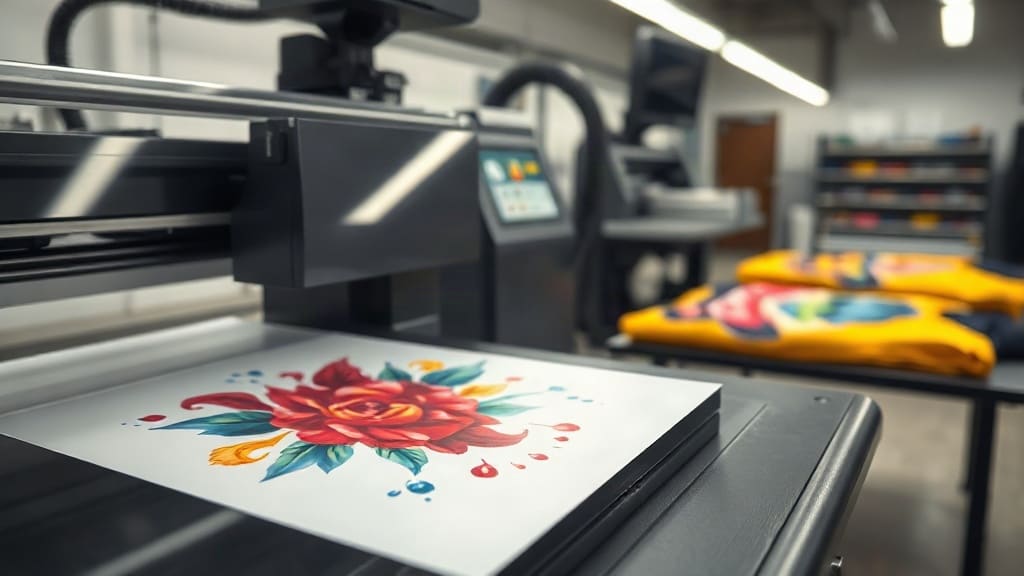
If you've been exploring custom apparel printing, you've likely heard about DTF transfers. They are taking the industry by storm, offering a versatile and cost-effective way to create detailed designs on various fabrics. In this guide, I'll share everything you need to know about DTF transfers, based on my years of hands-on experience in garment decoration. Whether you're a seasoned printer or just starting, this comprehensive resource will help you understand the process, benefits, and best practices.
What Are DTF Transfers?
DTF stands for Direct to Film. Unlike traditional methods that print directly onto the garment, DTF involves printing your design onto a special film, applying adhesive powder, and then heat-pressing it onto the fabric. This method allows for high-detail, vibrant prints that work on a wide range of materials, including cotton, polyester, blends, and even tricky surfaces like nylon and leather.
How DTF Transfers Work
The process might sound complex, but once you see it in action, it's surprisingly simple. Here's a step-by-step breakdown:
- Design and Print: Your artwork is printed onto a PET film using a specialized DTF printer with white ink. The printer lays down the CMYK colors and then a white base layer to ensure opacity on dark garments.
- Adhesive Application: While the ink is still wet, a hot-melt adhesive powder is applied to the film. This powder sticks to the wet ink and is then melted in a curing oven or heat press.
- Heat Press Transfer: The film is placed onto the garment, adhesive side down, and pressed at around 320°F (160°C) for 15-20 seconds. The adhesive melts and bonds with the fabric.
- Peel and Finish: After pressing, you peel away the film, leaving behind your vibrant, durable print. A final press with a Teflon sheet or parchment paper can set the adhesive further.
Why Choose DTF Transfers?
DTF technology has become a favorite among printers for several reasons:
- Versatility: You can print on almost any fabric, making it ideal for custom apparel, hats, bags, and even shoes.
- Durability: DTF prints are incredibly stretchable and withstand multiple washes without cracking or fading.
- Detail and Color: The white ink base ensures vibrant colors and crisp details, even on dark backgrounds.
- No Weeding: Unlike vinyl, there's no need to weed out excess material. You print the entire design and transfer it as a whole.
- Cost-Effective: For small to medium runs, DTF is more affordable than screen printing and offers a lower startup cost than DTG for high-volume production.
Comparing DTF with Other Methods
To truly appreciate DTF transfers, it helps to compare them with other popular techniques.
DTF vs. DTG
Direct-to-Garment (DTG) printing is excellent for high-detail designs on cotton, but it requires a large investment and is less effective on polyester. DTF, on the other hand, works on various fabrics and has a lower barrier to entry. The transfer process also allows you to pre-print designs and apply them on demand, increasing efficiency.
DTF vs. Screen Printing
Screen printing is cost-effective for bulk orders but lacks the versatility for small runs and detailed designs. DTF offers similar durability and color vibrancy but with greater flexibility in design and fabric choice. Plus, you don't need to create screens, which saves time and money for custom orders.
Essential Equipment for DTF Printing
Getting started with DTF requires specific equipment. Here's what you'll need:
- DTF Printer: You can convert an eco-solvent or dye-sublimation printer, but it's easier to invest in a dedicated DTF printer like the Epson F2100 or the DTF Pro printers from dtfdesignpro.com. They come with white ink circulation systems to prevent clogging.
- Heat Press: A clamshell or swing-away heat press capable of reaching 400°F is essential. Some prefer a roll-to-roll heat press for continuous production.
- Shaker and Curing Oven: For applying adhesive powder and melting it, you can manually shake powder and use a heat gun, but an integrated shaker and curing oven streamline the process.
- DTF Film and Powder: High-quality PET film and adhesive powder are crucial for successful transfers. Using subpar materials leads to peeling or poor adhesion.
Tips for Successful DTF Transfers
Based on my experience, these tips will help you achieve professional results:
Choose the Right Film and Powder
Not all films are created equal. Look for a film that has good ink absorption and doesn't stretch during printing. The powder should have a fine mesh size (around 80-100) for even coverage and a strong bond.
Calibrate Your Printer
Proper nozzle checks and color calibration are vital. Since DTF uses white ink, ensure it's well-circulated and mixed. Run a test print to check for banding or missing nozzles.
Master the Pressing Process
Pressure, temperature, and time are the keys to a durable transfer. For most garments, a pressure of 40-50 psi, temperature of 320°F, and time of 20 seconds works well. Test on scraps to find the ideal settings for your specific fabric.
Handle the Transfer with Care
After applying the transfer, let it cool slightly before peeling. For best results, use a cold peel for some films and hot peel for others. Follow the manufacturer's instructions. Once applied, you can heat press again with a cover sheet to enhance adhesion.
Common Mistakes to Avoid
Even experienced printers can make errors. Avoid these pitfalls:
- Using low-quality ink or film, which can lead to faded prints or ink bleeding.
- Not shaking the adhesive powder thoroughly, resulting in uneven coverage.
- Applying too much or too little pressure during heat press, causing poor adhesion or fabric distortion.
- Ignoring the direction of the fabric grain, which can cause the transfer to crack.
DTF Transfers for Your Business
If you're looking to expand your custom apparel business, incorporating DTF transfers could be a game-changer. You can offer a wider range of products, reduce order turnaround times, and lower your upfront costs. Plus, the ability to print small batches makes it easier to test new designs without committing to large quantities.
Where to Buy DTF Supplies
For reliable equipment and consumables, I recommend checking out dtfdesignpro.com. They offer complete DTF printer bundles, films, powders, and even pre-made transfers. As a trusted supplier, they provide excellent customer support and technical guidance.
Frequently Asked Questions
How long do DTF transfers last?
With proper application, DTF transfers can last as long as the garment itself. They withstand repeated washing and stretching without cracking or fading, making them highly durable.
Can DTF transfers be used on any fabric?
Yes, DTF works on cotton, polyester, blends, and even materials like nylon and leather. However, always test on a scrap piece first to ensure the adhesive bonds well and the print doesn't distort.
Are DTF transfers eco-friendly?
DTF uses water-based inks and produces minimal waste compared to screen printing. The film is recyclable, and the process doesn't require water for washing screens, making it a greener option.
What is the cost of DTF transfers?
The cost varies depending on the design size, color count, and quantity. For small orders, DTF is more affordable than screen printing, and the initial investment is lower than DTG.
Can I use DTF transfers for dark garments?
Absolutely. The white ink base ensures that colors appear vibrant and opaque on dark fabrics. Just make sure to use a high-quality film and apply proper pressure.
Final Thoughts
DTF transfers have revolutionized the custom apparel industry, offering a perfect blend of versatility, quality, and cost-effectiveness. Whether you're a hobbyist or a business owner, mastering this technique can open up new opportunities for creative expression and profit. With the right equipment and a bit of practice, you'll be producing stunning prints that your customers will love. So, dive in, experiment, and enjoy the journey of creating with DTF!