
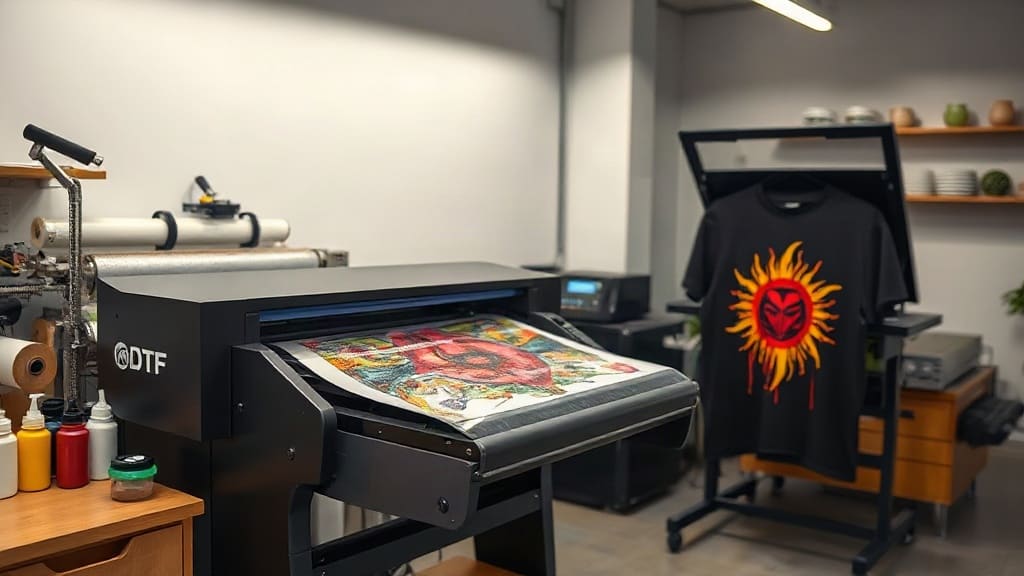
DTF printing is revolutionizing the custom apparel industry, offering a versatile and cost-effective alternative to traditional methods like screen printing and heat transfer vinyl. Whether you're a small business owner, a hobbyist, or a large-scale manufacturer, understanding this technology can open new creative and commercial opportunities. In this comprehensive guide, we'll dive deep into what DTF is, how it works, its advantages and limitations, and how you can leverage it for your projects.
What is DTF Printing?
Direct-to-film (DTF) is a digital printing technique that involves printing designs onto a special PET film, then transferring them to fabrics using a heat press. Unlike direct-to-garment (DTG) printing, which prints directly onto the garment, DTF prints onto a film that acts as a carrier medium.
The process is straightforward: a printer lays down CMYK colors plus white ink onto a film, which is then coated with a hot-melt adhesive powder (often polyethylene-based). After curing the powder, the film is placed onto the fabric, and with heat and pressure, the design is transferred. The result is a vibrant, stretchable, and durable print that can be applied to a wide range of materials.
How Does DTF Work? Step-by-Step Process
To fully grasp the potential of DTF, it's essential to understand the workflow. Here's a typical production process:
- Design Creation: Start with a digital design. Ensure it has a transparent background if you want the print to blend seamlessly with the fabric.
- Printing: Load the PET film into a DTF printer. The printer uses a special ink set, including white and CMYK, to produce the design. The white ink acts as a base layer, making colors vivid even on dark garments.
- Adhesive Powder Application: While the ink is still wet, apply the adhesive powder evenly over the printed design. Shake off any excess.
- Curing: Pass the film through a curing oven or heat tunnel to melt the powder, which creates a strong bond.
- Transfer: Place the film onto the fabric with the design facing down. Use a heat press at around 160-180°C for 15-30 seconds, with medium pressure.
- Peeling: After pressing, peel the film away (hot or cold, depending on the film type) to reveal the transferred design.
Key Benefits of DTF Printing
Why has DTF become so popular? Here are some compelling advantages:
- Versatility: DTF works on a vast array of fabrics, including cotton, polyester, blends, nylon, and even leather. It's ideal for those who need to print on various materials without switching methods.
- Vibrant Colors: The white ink base ensures colors pop, especially on dark backgrounds. This is a major selling point compared to some other methods.
- Durability: When applied correctly, DTF prints withstand washing and stretching without cracking or fading. They are known for their flexibility.
- Cost-Effective for Small Runs: Unlike screen printing, DTF has no setup costs. You can print a single item or hundreds with ease, making it perfect for on-demand production.
- Ease of Use: The process is relatively simple to learn, and the equipment can be scaled from desktop models to industrial machines.
DTF vs. Other Printing Methods
Choosing the right printing method depends on your needs. Let's compare DTF with common alternatives:
DTF vs. Direct-to-Garment (DTG)
DTG prints directly onto the fabric, which works best on 100% cotton. It offers excellent detail and softness, but it's slower and requires pre-treatment for dark garments. In contrast, DTF is faster, works on more materials, and doesn't require pre-treatment. However, DTG prints might feel softer because there's no adhesive film. Yet, DTF's versatility often wins for businesses that handle diverse products.
DTF vs. Screen Printing
Screen printing is ideal for huge orders with simple designs because the cost per unit drops significantly. However, it's not economical for small quantities, and the setup is time-consuming. DTF offers quicker turnaround and no screen setup, but for thousands of identical shirts, screen printing remains cheaper in the long run.
DTF vs. Vinyl Heat Transfer
Vinyl cutting is great for single-color logos and names, but it's not suitable for full-color or highly detailed designs. DTF handles gradients, photos, and intricate patterns with ease. Plus, DTF prints are more durable and breathable than thick vinyl layers.
What Materials Do You Need for DTF?
To start with DTF, you'll need specific equipment and supplies:
- DTF Printer: These are usually modified Epson printers with a bulk ink system that supports white ink circulation. Entry-level models are affordable for small businesses.
- DTF Inks: Pigment-based inks, including CMYK and white. White ink is crucial; it needs to be resistant to clogging, so quality matters.
- PET Film: Coated films designed to hold the ink and release it during transfer. They come in different thicknesses (e.g., 75 microns).
- Adhesive Powder: A fine powder that melts when heated. It acts as the glue between the film and the fabric.
- Heat Press: A standard heat press works, but ensure it can reach the required temperature and pressure.
- Curing Oven: Some setups use a conveyor dryer or a simple heat gun to cure the powder, but for consistent results, a dedicated oven is recommended.
Tips for Perfect DTF Prints
Even with the right equipment, achieving flawless results requires attention to detail. Here are some expert tips:
- Calibrate Your Printer: Regular maintenance prevents streaks and ensures consistent color. Use a test print to check nozzle health.
- Shake the White Ink: White pigment settles quickly. Use a printer with a circulation system or manually agitate the ink cartridges regularly.
- Control Humidity and Temperature: The environment affects ink adhesion and powder curing. Aim for a controlled space.
- Choose the Right Film: Not all films are equal. Test different brands to find one that gives optimal print quality and easy peeling.
- Apply the Right Pressure: Too little pressure leads to incomplete transfer; too much can cause bleeding. Follow the film manufacturer's guidelines.
- Test Before Production: Always do a test run on a scrap fabric to check colors, adhesion, and washability.
Common Applications of DTF Printing
DTF is used across various industries:
- Custom Apparel: T-shirts, hoodies, sweatshirts, and hats.
- Sportswear: Jerseys, performance wear, and accessories.
- Promotional Products: Tote bags, aprons, and caps.
- Home Textiles: Pillows, curtains, and tablecloths.
- Footwear: Custom sneakers and canvas shoes.
The ability to print on both light and dark fabrics without pre-treatment makes DTF a go-to for many businesses that offer personalized items.
Cost Considerations and ROI
Investing in DTF involves initial costs for equipment, but the potential return is high. A starter DTF printer might cost between $1,500 and $4,000, while industrial models can exceed $20,000. Supplies like ink and film are recurring expenses. However, because DTF prints per item (no screens or plates), the break-even point is low. If you're producing 20-500 items per order, DTF is often more profitable than outsourcing or using other methods.
Calculating your cost per print: consider ink, film, powder, electricity, and labor. On average, a standard T-shirt print might cost $0.50 to $1.00 in materials. Selling prints at $5-10 gives a healthy margin.
Challenges and How to Overcome Them
While DTF is user-friendly, it's not without challenges:
- White Ink Clogging: This is the most common issue. Use high-quality ink, run daily cleaning cycles, and keep the printer active.
- Film Wrinkling: Ensure the film lies flat during printing and curing. Use a roller to smooth it if needed.
- Powder Adhesion: Too much or too little powder affects the final result. Find the right amount through practice.
- Transfer Issues: If prints crack, increase pressure or temperature. If they peel, check the powder and curing time.
Future Trends in DTF Technology
The DTF market is evolving rapidly. Expect to see faster printers, more eco-friendly inks, and improved automation. The demand for on-demand and personalized products continues to grow, positioning DTF as a sustainable choice because it reduces waste compared to traditional manufacturing.
Frequently Asked Questions (FAQ)
What is the difference between DTF and DTG?
DTG prints directly on the garment, requiring a cotton-rich fabric and pre-treatment for dark colors. DTF prints on a film that is later transferred, making it versatile for various materials and colors. DTF is generally faster for multiple prints and easier to use for beginners.
Can I use DTF on dark-colored shirts?
Yes, absolutely. DTF uses a white ink base layer that ensures the design remains vibrant on dark fabrics. This is one of its key advantages over many other methods.
How long does a DTF print last?
With proper application and care, DTF prints can withstand over 50 washes without significant fading or cracking. It's important to follow washing instructions, such as turning the garment inside out and using cold water.
What is the best film for DTF printing?
The best film depends on your printer and requirements. Look for films with good ink absorption and easy release. Reputable brands include A4 films for small jobs and roll films for high-volume production. Testing is key.
Is DTF printing expensive?
Initial setup can be costly, but the per-print cost is low, especially for short runs. Compared to screen printing, DTF has no setup fees, making it affordable for small orders. Over time, the return on investment is attractive for custom apparel businesses.