
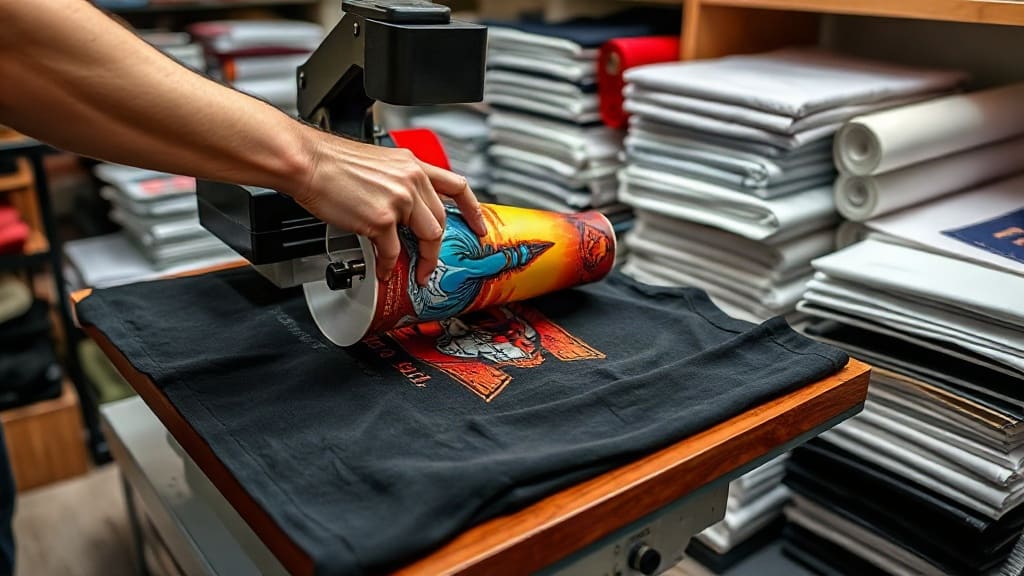
If you're searching for dtf transfers near me, you're likely looking to print custom apparel without the hassle of maintaining a full production setup. Direct-to-film (DTF) printing has become a favorite among small businesses and hobbyists because it offers vibrant colors, excellent durability, and works on various fabrics. But finding a reliable local supplier can be tricky. In this guide, I'll share what I've learned from working with DTF providers, how to evaluate them, and tips to get the best results for your projects.
Why Choose a Local DTF Transfer Supplier?
Ordering from a local shop has clear advantages. First, you can see and feel the transfer quality before committing to a bulk order. Second, you avoid long shipping times, which is crucial if you have tight deadlines for events or customer orders. Third, if something goes wrong, you can walk into the store and discuss the issue face-to-face, which is much more efficient than emailing a distant company.
But not all local suppliers are created equal. Some may use outdated equipment or low-quality inks, resulting in transfers that crack or fade after a few washes. That's why it's essential to do your homework.
What to Look for in a DTF Transfer Provider
When evaluating a supplier, consider these key factors:
- Print Quality: Ask for samples. Examine the detail, color vibrancy, and the texture of the adhesive. High-quality transfers should feel smooth and not overly thick.
- Durability: Ask about their testing process. Do they wash-test their transfers? A reputable supplier will stand behind their product and provide care instructions.
- Turnaround Time: How quickly can they fulfill orders? For urgent needs, you want someone who can deliver in 24-48 hours.
- Minimum Order Quantity: Some suppliers have high minimums, which may not suit your needs if you're just starting or doing small batches.
- Pricing: Compare quotes, but beware of extremely low prices. They often indicate lower quality or hidden fees.
Ask the Right Questions
Before placing an order, ask the supplier about their equipment. Are they using a dedicated DTF printer and powder shaker? Do they use high-quality PET film? What type of adhesive powder do they use? These details affect the final product.
Also, ask to see their color management process. Do they offer color matching? If you have a specific brand color, they should be able to match it closely.
How to Compare Local Suppliers
Once you have a few candidates, request samples from each. Print the same design on the same fabric to compare results. Evaluate the following:
- Color accuracy: Does the print match your original design?
- Adhesion: Does the transfer stick well, especially on tricky fabrics like polyester or performance wear?
- Stretchability: If you're printing on activewear, the transfer should stretch without cracking.
- Feel: Some transfers have a rubbery feel, which may not be desirable for all projects.
Also, test the wash durability. Wash the sample according to the recommended care instructions and see how it holds up after several cycles.
Pricing and Value
You might find that dtf transfers near me are slightly more expensive than online alternatives, but that's often justified by faster shipping and personalized service. However, you should still compare unit prices, especially if you're ordering in volume. Many suppliers offer tiered pricing, so the more you order, the cheaper each transfer gets.
Don't forget to factor in shipping costs if you're comparing with online suppliers. Sometimes, a local supplier with a slightly higher unit price can still be more cost-effective when you add shipping fees and potential rush charges.
Building a Long-Term Relationship
Once you find a reliable local supplier, nurture that relationship. They can become a valuable partner for your business. They might offer discounts for repeat customers or give you early access to new products. Plus, they understand your preferences and can offer suggestions to improve your prints.
I've had suppliers who proactively recommended tweaks to my artwork to improve print quality or reduce costs. That kind of personalized advice is hard to get from a faceless online company.
Common Pitfalls to Avoid
Even with a good supplier, mistakes can happen. Here are some common issues and how to avoid them:
- Not preparing files correctly: Ensure your artwork is in the right format (usually PNG with transparent background) and has sufficient resolution (at least 300 DPI).
- Ignoring color profiles: If you're not using CMYK, your colors may look different on print. Ask your supplier for their color profile and adjust your files accordingly.
- Not testing on your fabric: Even if the transfer works on cotton, it might behave differently on blends or coated fabrics. Always test on the exact fabric you plan to use.
- Overlooking care instructions: DTF transfers require proper care to last. Make sure your customers know to wash inside out and avoid high heat.
What About Quality vs. Speed?
In a rush, you might be tempted to sacrifice quality for speed. But remember, your reputation is on the line. A cheap, quick transfer that peels after a few washes will cost you more in customer returns and lost trust. It's better to plan ahead and give your supplier enough time to produce a quality product.
If you have a truly urgent order, discuss it with your supplier. Many can accommodate rush jobs for an extra fee, but they'll need clear expectations.
Beyond the Search: Tips for Using DTF Transfers
Once you've found your supplier, here are some tips to get the most out of your transfers:
Press Settings Matter
Follow the supplier's recommended pressing time, temperature, and pressure. Too much heat can cause the adhesive to bleed, while too little can result in weak adhesion. If you're unsure, do a test press on a scrap garment.
Handle with Care
After pressing, peel the film while warm (hot peel) or cold, depending on the supplier's instructions. Incorrect peeling can damage the transfer.
Offer Customization
Use DTF transfers to offer unique, on-demand custom products. Because you can order small quantities, you can experiment with designs without a big investment.
How to Optimize Your Workflow with a Local Supplier
To streamline your operations, consider setting up a standing order with your supplier. This way, you'll have a consistent supply of transfers on hand, reducing lead times for your customers. You can also ask for their production schedule to align your orders with their downtime.
Many suppliers offer design assistance. If you're not a graphic designer, they can help you refine your artwork for print, ensuring crisp lines and vibrant colors.
Conclusion
Finding the right dtf transfers near me is about more than just proximity. It's about building a partnership that ensures quality, reliability, and growth for your business. Take the time to thoroughly vet local suppliers, request samples, and test their products. With the right partner, you'll produce apparel that stands out and keeps customers coming back.
Frequently Asked Questions
How much do DTF transfers typically cost per sheet?
Pricing varies depending on size, quantity, and the supplier. On average, a single 12x12 inch transfer might cost between $2 and $5, but with volume discounts, the price can drop significantly. It's best to request a quote from local suppliers to get accurate pricing.
Can DTF transfers be used on dark fabrics?
Yes, that's one of the major advantages of DTF over other methods like sublimation. The white adhesive layer ensures that colors pop on dark garments without needing a special pretreatment.
How long do DTF transfers last?
With proper application and care, DTF transfers can withstand over 50 washes without significant fading or cracking. The durability depends on the quality of the materials and the pressing process. Always follow the supplier's care instructions.
What is the minimum order quantity for DTF transfers?
Many local suppliers allow small orders, even as low as one sheet. However, some may have a minimum for custom prints, so it's best to ask upfront. If you need just a few transfers, look for suppliers that offer per-piece pricing without a high minimum.
Do I need special equipment to apply DTF transfers?
Yes, you'll need a heat press. A standard heat press with adjustable temperature and pressure is sufficient. You don't need a special printer or cutter, as the transfers come pre-cut and ready to press.