
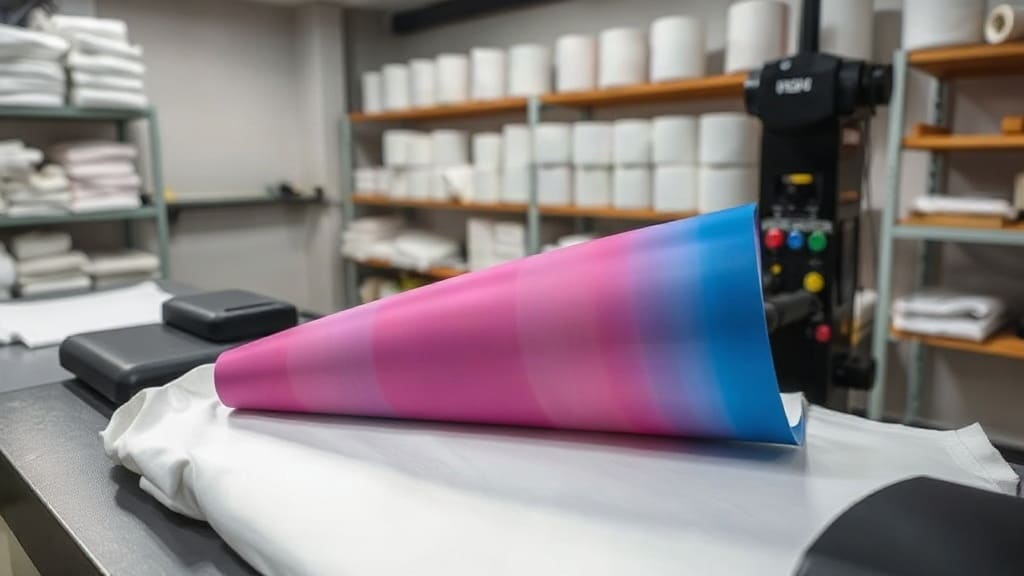
Direct-to-film printing has changed the game for custom apparel. If you own a small printing shop or run a brand from home, you have likely heard of dtf transfers. These pre-printed designs allow you to apply vibrant graphics onto shirts, hoodies, and even bags without a full screen printing setup. But not all transfers are equal. Choosing the right one can mean the difference between a satisfied customer and a ruined order. In this guide, I will walk you through the crucial factors to consider, based on real experience in the custom apparel industry.
What Are DTF Transfers?
DTF stands for direct to film. It is a printing method where a design is printed onto a special film using water-based inks, then coated with a hot-melt adhesive powder. When you apply heat and pressure, the adhesive bonds the design to the fabric. This process eliminates the need for weeding, unlike vinyl. It also allows for full-color prints with intricate details, making it a favorite among many printers.
The final product you receive from a supplier is a dtf transfer, ready to be pressed onto your garments. You simply place it on the fabric, apply heat, and peel. But the quality of that transfer depends heavily on the materials and processes used by the manufacturer.
Key Factors in Choosing High-Quality DTF Transfers
Not every transfer will perform the same. Here are the elements that separate good transfers from great ones.
1. Film Quality
The film used as the base is more important than you might think. A premium PET film should have a specific coating that holds the ink properly and releases cleanly after pressing. Low-grade films can cause ink to spread, resulting in blurred edges or poor color density. Always ask your supplier about the type of film they use. Look for a film that offers good opacity, which ensures that even on dark fabrics, the design remains vibrant.
2. Ink and Color Reproduction
Ink quality directly affects the lifespan and appearance of your transfer. High-quality DTF inks are water-based and formulated to stretch with the fabric without cracking. They should also be resistant to washing and fading. When evaluating a supplier, ask for samples printed on different fabric types. Check the color gamut, especially for bright colors like red and blue. A good transfer will have smooth gradients and sharp details, without bleeding.
3. Adhesive Powder
The adhesive is what makes the transfer stick. There are different types of adhesive powders, each designed for various fabrics. A coarse powder works well on cotton, while a fine powder is better for polyester blends. The right powder should melt evenly during pressing, creating a strong bond that survives many washes. If the adhesive is not applied uniformly, you might end up with patches that lift off. Ask the supplier about their adhesive options and whether they offer customized formulations.
4. Curing and Drying Process
After printing, the transfer must be cured properly to set the ink and activate the adhesive. This involves heating the transfer for a specific time to evaporate solvents and solidify the powder. Incomplete curing can lead to dull colors or poor adhesion. Reputable suppliers use calibrated ovens and monitors to ensure consistency. You can test this by pressing a transfer and washing it a few times to see how it holds up.
How to Test and Evaluate DTF Transfers
Even with detailed specifications, nothing beats a hands-on test. Here is a simple method to evaluate any sample before making a bulk order.
- Order a sample pack from multiple suppliers.
- Press each transfer onto a similar fabric type that you commonly use.
- Follow the recommended pressing time and temperature precisely.
- After peeling, examine the print: check for evenness, color depth, and any white spots.
- Wash the garment several times in a standard cycle without fabric softener.
- Inspect for cracking, peeling, or fading after each wash.
This process will reveal which transfers truly meet your standards. Keep notes on the supplier, film type, and results to compare later.
Common Mistakes to Avoid When Buying DTF Transfers
Many beginners make errors that cost them time and money. I have seen these pitfalls often, and avoiding them will improve your experience.
- Choosing the cheapest option without checking quality.
- Ignoring the fabric compatibility of the adhesive.
- Not requesting a proof or sample before a large order.
- Overlooking the shelf life of transfers.
- Assuming all transfers work equally for different garment colors.
- Forgetting to consider the complexity of the design.
Each of these can lead to inconsistent results. Be proactive and ask questions before committing.
Why Choose a Reputable Supplier?
Your supplier is your partner in production. A reliable one will offer consistent quality, clear communication, and technical support. They should be transparent about their materials and processes. Look for suppliers who specialize in dtf transfers and have a track record of customer satisfaction. Read reviews, ask for references, and perhaps even visit their facility if possible. A supplier who stands behind their product is invaluable.
At dtfdesignpro.com, we pride ourselves on delivering top-notch transfers that meet the needs of both hobbyists and professional printers. Our expertise in DTF technology ensures that you receive prints that are vibrant, durable, and easy to apply. We use premium films and eco-friendly inks, and we test every batch to maintain high standards. Whether you are printing custom tees or running a full-scale apparel business, we have the right solution for you.
Conclusion
Selecting the best dtf transfers for your custom apparel is not complicated, but it requires attention to detail. Focus on film quality, ink performance, adhesive type, and curing process. Test samples thoroughly and build a relationship with a supplier you trust. By doing so, you will produce garments that impress your customers and keep them coming back. Remember, the quality of your final product reflects on your brand, so never compromise on the essentials.
Frequently Asked Questions
How long do DTF transfers last on a shirt?
With proper application and care, a high-quality DTF transfer can last up to 50 washes or more. The longevity depends on factors like the fabric type, washing temperature, and how the garment is dried. To extend the life, wash in cold water and avoid using bleach or fabric softeners. Turn the garment inside out before washing to reduce friction on the print.
Can I use DTF transfers on any fabric?
DTF transfers are versatile and can be applied to cotton, polyester, blends, and even materials like nylon or leather, as long as the fabric can withstand the heat press temperature. However, each fabric may require a different adhesive powder formulation for optimal bonding. Always check the supplier's recommendations for the specific fabric you plan to use.
What is the ideal pressing temperature and time for DTF transfers?
The typical pressing temperature ranges from 275°F to 320°F (135°C to 160°C), with a pressing time of 10 to 15 seconds. However, the exact settings depend on the transfer's specifications and the fabric type. For best results, follow the instructions provided by your supplier. It is also advisable to do a test press on a scrap piece of fabric to fine-tune the temperature and pressure.
Are DTF transfers safe for the environment?
Many DTF inks are water-based, which is more eco-friendly than plastisol inks used in screen printing. Additionally, the process produces less waste compared to traditional methods. However, the film and adhesive powder are not biodegradable. To minimize environmental impact, look for suppliers who use eco-friendly films and recycle their production waste. Some companies offer compostable films, but they are less common. Always ask about their sustainability practices.
How should I store DTF transfers to maintain their quality?
Store your DTF transfers in a cool, dry place away from direct sunlight and heat sources. High humidity can cause the adhesive to become sticky or the film to warp. Keep them flat in their original packaging or in a protective sleeve to prevent dust and scratches. Ideally, use them within six months of purchase for the best performance, as the adhesive can degrade over time.