
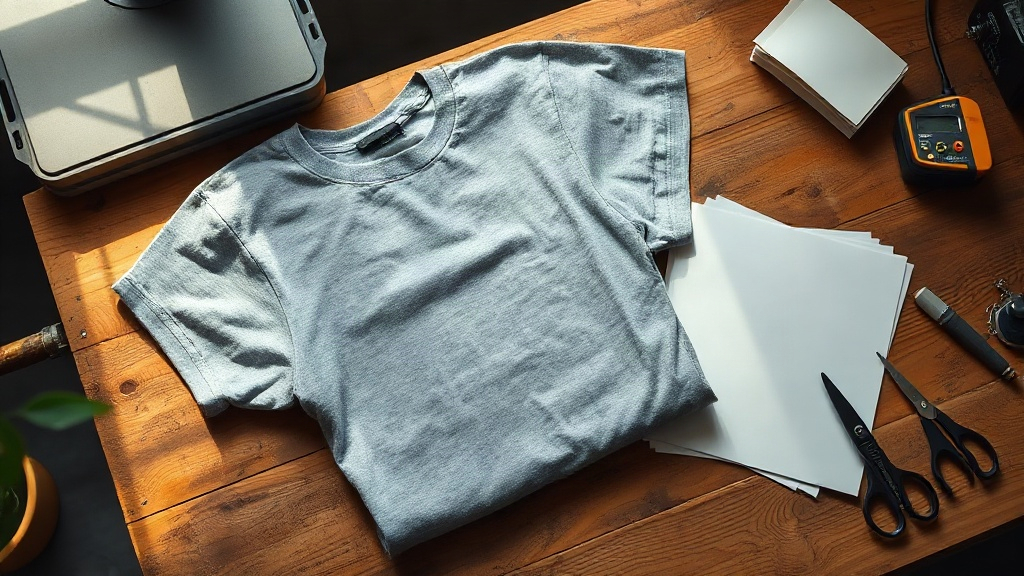
Walk into almost any custom print shop that handles streetwear orders and you will eventually spot a stack of plain tees with a small woven label reading Shaka Wear. The brand rarely runs flashy ad campaigns, yet it keeps showing up in wholesale carts and press-room shelves. That quiet presence is not an accident. For anyone printing DTF transfers, the blank you choose decides how the final garment looks after five washes, not just on the day it ships. Shaka Wear built its reputation on exactly that long game.
This guide covers what the brand actually is, how its fabric weights behave under a heat press, which styles suit different projects, and the small mistakes that ruin an otherwise clean transfer. If you sell custom apparel or print for clients, the details below will save you money and reprints.
What Shaka Wear Actually Is
Shaka Wear is a Los Angeles based blank apparel brand that grew out of the same Southern California streetwear culture that shaped skate shops, car clubs, and independent labels through the 1990s and 2000s. The company focuses on heavyweight cotton basics, sold primarily through wholesale channels to printers, brands, and retailers rather than through big-box storefronts.
The catalog is not enormous, and that is part of the appeal. Instead of chasing every trend, the brand leans on a core set of tees, fleece, and tanks with consistent sizing and dependable fabric. When you reorder the same style six months later, you generally get the same garment. For print shops, consistency matters more than novelty because a client who approves a sample expects the reprint to match it.
Why Print Shops Keep Coming Back
Three practical reasons come up again and again in conversations with decorators:
- Fabric weight. Many Shaka Wear tees sit in the 6 to 7 ounce range, noticeably denser than the standard 4.3 to 5.3 ounce fashion tee. Heavier cotton resists the curling and rippling that make transfers look cheap.
- Stable construction. Double-needle stitching at the hems and shoulders means the garment survives the stretching and pulling that happens during pressing and wear.
- Straightforward colorways. A tight palette of solids, plus a few garment-dyed options, keeps inventory simple for shops that stock blanks in bulk.
Fabric Weight and How It Affects DTF Results
DTF printing works by transferring a printed film onto fabric with heat and pressure. The adhesive layer bonds to the textile surface, and the ink sits on top. That means the fabric surface is doing half the work.
On a thin, loosely knit tee, the surface flexes and stretches more with every movement. Over time, the film can crack along those stress lines or lift at the edges. A heavier, tighter knit gives the adhesive a more stable platform, which is why decorators often reach for Shaka Wear blanks when a client wants a transfer that still looks sharp after a season of wear.
Matching the Transfer to the Blank
Weight is not the only variable. Consider these pairings before you commit a full run:
- Heavyweight cotton tees: ideal for large front or back prints where the design covers a lot of surface area. The denser fabric supports wide films without sagging.
- Ringspun and softer styles: better for smaller chest logos or left-chest hits, where flexibility matters more than structural support.
- Fleece and hoodies: require extra attention to pile height. Brushed interior fleece can create uneven pressure, so test one garment before running a batch.
- Tanks and lighter summer cuts: work well with minimal, line-based artwork that will not stiffen the garment.
Preparing Shaka Wear Blanks for Pressing
The most common cause of a failed transfer is not the film. It is moisture. Cotton holds ambient humidity, and when heat hits a damp garment, steam forms under the adhesive and prevents a clean bond. Pre-pressing each blank for a few seconds removes that moisture and also flattens any wrinkles or fold lines from shipping.
Pay attention to seams, collars, and side seams. These areas sit higher than the rest of the shirt, so they absorb more pressure and can cause the transfer to shift or scorch. If your design crosses a seam, use a pressing pillow or a smaller platen so the pressure stays even across the whole image.
A Simple Press Workflow
- Pre-press the garment for 3 to 5 seconds to release moisture and smooth the surface.
- Position the transfer and tack it lightly so it does not move when you close the press.
- Apply full pressure for the time and temperature your film supplier recommends, typically in the 300 to 325 degrees Fahrenheit range.
- Let the garment cool completely before peeling. Hot peeling and cold peeling give different finishes, so follow the film instructions rather than guessing.
- After peeling, do a short second press with a cover sheet to lock the edges down.
Fit, Sizing, and Choosing the Right Style for Your Client
Shaka Wear tends to run with a roomier, boxier silhouette than fashion-forward retail tees. That cut is a selling point for streetwear, skate, and workwear-inspired projects, but it can surprise a client who expects a slim fit.
Always order a sample in the actual size your client will wear. Sizing charts give you numbers, but they do not tell you how a garment drapes on a real body. A medium in one brand can feel like a large in another, and a client who tries on the sample before approving the run is far less likely to complain later.
For retail-facing brands, the heavier hand of a dense cotton tee also affects perceived value. Customers associate weight with durability, and that perception supports a higher price point. If you are building a small label, the blank is part of your product story, not just a substrate for ink.
Wash Testing Before You Ship
Before committing to a large order, print one sample and run it through five home wash cycles, inside out, in cold water, with a normal tumble dry. Check for edge lifting, cracking across the print, and color fading on the garment itself. This single test tells you more about your film, your press settings, and your blank choice than any spec sheet.
Common Mistakes That Hurt Transfer Durability
Even experienced printers run into the same handful of problems. Most of them trace back to pressure, time, or temperature drifting out of range.
- Pressing too lightly because the garment looks thin. Under-pressure leaves the adhesive incompletely activated.
- Overheating to speed up the process. Excess heat can scorch cotton and distort the film, especially on darker dyes.
- Skipping the pre-press. Moisture is the silent killer of transfer adhesion.
- Stretching the garment while positioning the transfer. This distorts the weave and creates an uneven surface.
- Stacking freshly pressed garments immediately. Residual heat and weight can press creases into the print.
A calibration test with a heat gun or press thermometer takes five minutes and prevents an entire batch of rejects. If you print regularly on Shaka Wear blanks, log your settings for each style. Your future self will thank you when a rush order lands on a Friday afternoon.
Frequently Asked Questions
Is Shaka Wear good for DTF printing?
Yes. The heavier cotton and tighter knit give DTF adhesive a stable surface to bond to, which generally translates to better wash durability than thin, loosely woven fashion tees. As always, results depend on correct press settings and proper pre-pressing.
What temperature should I use when pressing DTF transfers onto Shaka Wear tees?
Follow your film manufacturer's recommendation, which usually falls between 300 and 325 degrees Fahrenheit. Because heavyweight cotton absorbs and holds heat, you may need a slightly longer dwell time than on a lightweight tee. Test one garment first.
Do Shaka Wear shirts shrink after washing?
Most heavyweight cotton garments experience some shrinkage, particularly if washed and dried on high heat. Cold washing and low tumble drying minimize it. Pre-shrinking a sample before printing can also help you anticipate the final fit for your client.
Where can I buy Shaka Wear blanks for my print shop?
The brand is distributed mainly through wholesale apparel suppliers and blank distributors rather than direct-to-consumer retail. Many print shops order through established blank wholesalers, which also makes reordering the same style and color easier over time.
Can I print light-colored DTF transfers on dark Shaka Wear tees?
Yes. DTF transfers include a white ink base layer, so they show up clearly on dark garments without a separate underbase. Just make sure your film is printed with enough white coverage, and press evenly so the white layer does not thin out at the edges of the design.