
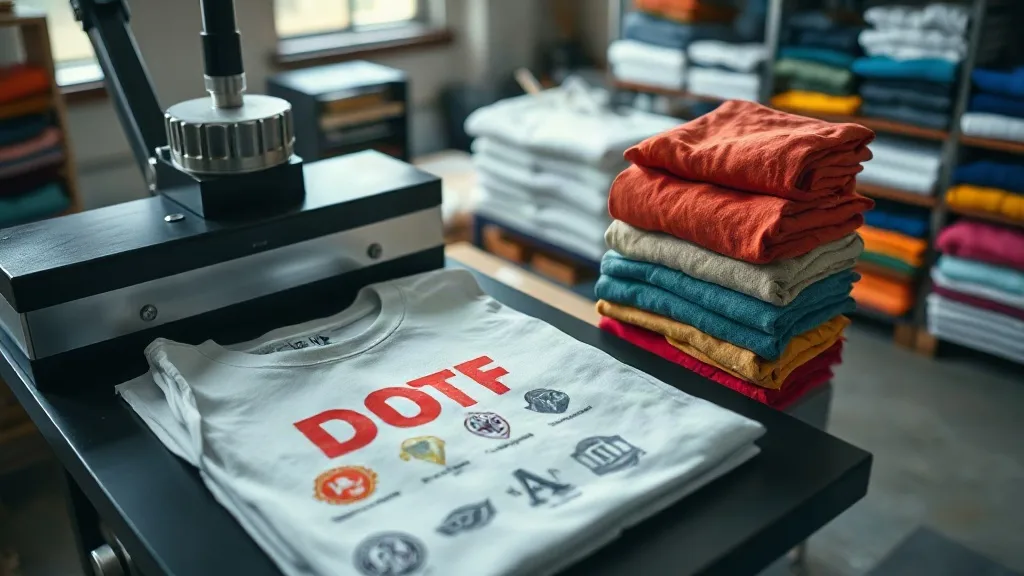
Walk into any print shop that runs a lot of DTF and you'll eventually hear someone say, "Shaka Wear just prints different." It's not a knock. It's an observation from people who've pressed enough transfers to notice that a 100% cotton tee and a 50/50 blend don't age the same way after ten washes. If you're building a product line around shaka wear, understanding those differences is the difference between a customer who reorders and one who files a complaint.
This guide breaks down how Shaka Wear's common fabric blends interact with DTF film, what to adjust on your press, and how to choose the right blank for the job instead of guessing.
Why Fabric Composition Matters More Than You Think
DTF transfers rely on a thermoplastic polyurethane (TPU) adhesive that bonds to the fabric under heat and pressure. That bond is only as good as the surface it's bonding to. Cotton, polyester, and blends each have different fiber structures, moisture absorption rates, and heat tolerances. A transfer that looks flawless coming off the press can start to crack or peel after a few wash cycles if the fabric and the adhesive aren't compatible.
Shaka Wear's lineup covers a range of compositions, from heavyweight cotton tees to poly-rich performance styles. The brand is popular in streetwear and promotional markets because the blanks hold shape well and take ink cleanly. But "takes ink cleanly" in screen printing doesn't automatically translate to "takes DTF cleanly." You still need to dial in your process.
100% Cotton: The Predictable Workhorse
Cotton is the most forgiving fabric for DTF. The fibers are absorbent, the surface is relatively smooth, and the TPU adhesive grabs well at standard press settings. Shaka Wear's heavyweight cotton tees, often in the 5.5 to 6.5 oz range, are a favorite for retail-style prints because the fabric doesn't stretch much during pressing, which means less risk of the transfer distorting.
The catch with cotton is moisture. Cotton holds ambient humidity, and a damp shirt can cause the transfer to bubble or fail to adhere properly. If your shop runs in a humid climate or you store blanks in a non-climate-controlled space, pre-press each shirt for 3 to 5 seconds to drive off moisture before laying down the transfer. It adds a few seconds per piece but saves you from reprints.
Polyester and Poly-Blends: Where Things Get Tricky
Polyester blends, especially 50/50 or 60/40 cotton-poly, behave differently. The synthetic fibers don't absorb moisture the same way, and they're more sensitive to heat. Press too hot or too long and you risk scorching the fabric or causing the transfer to glaze. Press too cool and the adhesive won't fully activate, leading to edge lift after washing.
Shaka Wear's poly-blends are common in team wear and performance apparel, where the fabric needs to wick moisture and hold color. For DTF, the sweet spot is usually a lower temperature with a slightly longer dwell time. Start around 285°F to 300°F for 12 to 15 seconds, medium pressure, and always peel cold. Cold peel gives the adhesive time to cool and set, which improves wash durability on synthetics.
One more thing: polyester can yellow or scorch under high heat. If you're pressing a light-colored poly blend, use a pressing pillow or a Teflon sheet to distribute pressure evenly and reduce direct heat exposure.
Tri-Blends and Heathers: The Wildcard
Tri-blends (cotton, polyester, rayon) and heather fabrics are popular for their soft hand and vintage look, but they're the least predictable for DTF. The rayon content makes the fabric drapey and stretchy, which can cause the transfer to crack when the shirt stretches during wear. Heathers also have a textured surface that can prevent full contact between the transfer and the fabric.
For these fabrics, use a lower pressure setting and consider a slightly longer press time to ensure the adhesive flows into the textured surface. A heat press with consistent pressure across the platen helps here. If your press has hot spots, you'll see it first on heathers.
Matching DTF Gangsheets to Shaka Wear Blanks
If you're producing in volume, a DTF Gangsheet Builder lets you consolidate multiple designs onto a single sheet, which cuts film waste and speeds up production. But gangsheets also introduce a variable: different designs may require different press settings if they're going on different fabrics. The key is to group jobs by fabric type, not just by design.
For example, if you're printing a run of 50 heavyweight cotton tees and 50 poly-blend performance shirts, don't press them in the same batch. Set up two separate pressing stations or run them in two passes with different settings. It sounds obvious, but in a busy shop, it's easy to default to one setting and hope for the best. The result is usually a batch of shirts with transfers that look fine on day one and fail by week three.
When building a gangsheet, also consider the size and placement of each design. Shaka Wear blanks come in a range of fits, from classic to oversized. A design sized for a standard tee may look undersized on an oversized cut. Use your gangsheet layout to test proportions before you commit to a full run.
Press Settings That Actually Work for Shaka Wear
These are starting points, not gospel. Every press runs a little different, and humidity, film brand, and powder quality all play a role. Test on a scrap shirt before running a full batch.
- 100% Cotton (heavyweight): 320°F, 15 seconds, medium-heavy pressure, cold peel. Pre-press 3 to 5 seconds to remove moisture.
- 50/50 Cotton-Poly: 300°F, 15 seconds, medium pressure, cold peel. Watch for scorching on light colors.
- Tri-Blend and Heather: 290°F to 300°F, 18 to 20 seconds, light-medium pressure, cold peel. Use a pressing pillow for uneven surfaces.
- Polyester Performance: 285°F to 295°F, 12 to 15 seconds, medium pressure, cold peel. Avoid over-pressing to prevent glazing.
After pressing, always do a wash test on the first piece from each batch. Wash inside out, cold water, no fabric softener, and tumble dry low. If the transfer survives three washes without cracking or lifting at the edges, you're in good shape. If not, adjust your temperature or pressure and try again.
Choosing the Right Shaka Wear Blank for the Job
Not every order needs the same blank. A retail-focused streetwear drop might call for heavyweight cotton for its structure and printability. A corporate 5K run needs a poly-blend that wicks sweat and holds up to repeated washing. A vintage-style tee for a boutique might be a tri-blend, even if it's fussier to print.
The mistake many shops make is defaulting to one blank for everything because it's what they have in stock. That works until a customer complains that their shirt cracked after two washes. Matching the blank to the end use, and adjusting your DTF process accordingly, is what separates a shop that ships product from one that builds a reputation.
Shaka Wear's range gives you options. Use them. Keep a few samples of each fabric type in your shop, press test transfers on them, and label them with the settings that worked. Over time, you'll build a reference library that makes onboarding new staff faster and reduces costly mistakes.
Frequently Asked Questions
Can you DTF print on 100% polyester Shaka Wear shirts?
Yes, but you need to lower the press temperature and use cold peel to avoid scorching and glazing. Polyester is more heat-sensitive than cotton, so start around 285°F to 295°F and test on a scrap piece before running a full batch.
Why do DTF transfers crack on tri-blend shirts?
Tri-blends contain rayon, which makes the fabric stretchy. When the shirt stretches during wear, the transfer can crack if the adhesive hasn't fully bonded or if the film was applied with too much pressure. Use a lower pressure setting and a slightly longer dwell time to improve adhesion on textured fabrics.
How long should I pre-press Shaka Wear blanks before applying a DTF transfer?
Pre-press for 3 to 5 seconds to remove moisture, especially on cotton. This step is often skipped, but it's one of the most common reasons transfers bubble or fail to adhere properly.
Do I need different press settings for different Shaka Wear fabrics?
Yes. Cotton, poly-blends, and tri-blends each require different temperature and pressure settings. Group your jobs by fabric type and adjust your press accordingly. Running everything at one setting is a recipe for inconsistent results.
Can I use a DTF gangsheet for multiple Shaka Wear fabric types?
You can, but you'll need to press each fabric type separately with its own settings. Build your gangsheet with designs grouped by fabric type so you can press them in batches without constantly changing settings.