
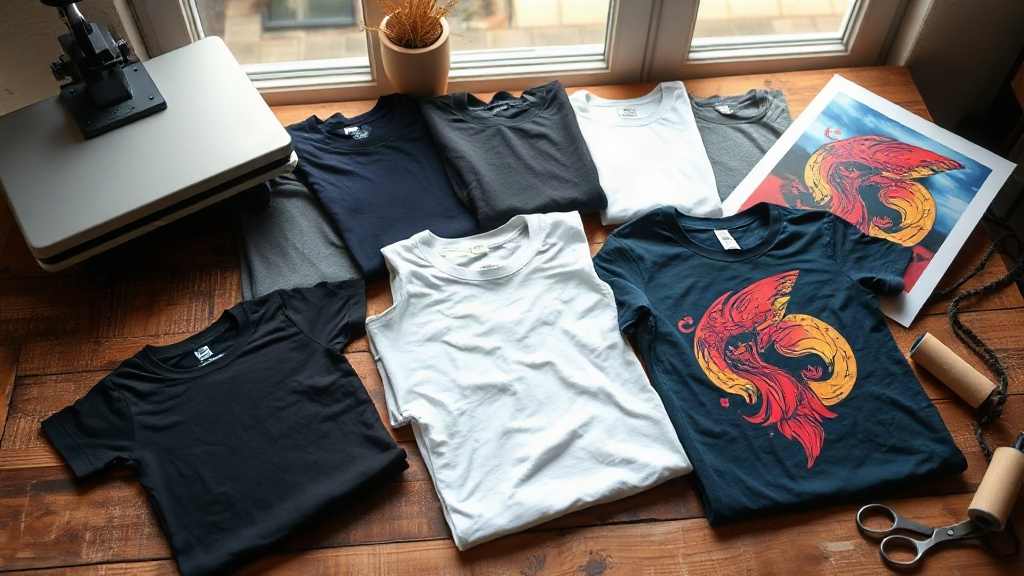
When you pull a fresh Shaka Wear tee out of the bag, the first thing you notice is the weight. These aren't flimsy, see-through shirts that lose their shape after one wash. They're built with a substantial hand feel that signals quality, and that's exactly why they've become a go-to blank for DTF printers who care about the final product. If you've been searching for a blank that balances cost, durability, and print performance, Shaka Wear deserves a serious look. In this guide, I'll walk you through what makes these shirts different, how to pick the right style for your DTF projects, and the exact steps to get flawless transfers every time.
Why Shaka Wear Stands Out for DTF Printing
DTF (Direct to Film) printing has exploded in popularity because it works on almost any fabric, but not all blanks are created equal. The surface texture, fiber content, and dye treatment all affect how well the transfer adheres and how long it lasts. Shaka Wear blanks are primarily cotton or cotton-poly blends with a tight weave that gives the adhesive a consistent surface to bond with. That means fewer failed presses, less peeling, and happier customers.
Another factor is shrinkage. Cheap blanks can shrink up to a full size after the first wash, which distorts the printed area. Shaka Wear garments are pre-shrunk or minimally shrinking, so the artwork stays put. I've printed on dozens of brands, and the difference in wash durability is obvious. A DTF print on a Shaka Wear tee often outlasts the same print on a generic blank by months.
But it's not just about performance. The brand has a streetwear vibe that resonates with younger customers. The fits are modern, the colors are on-trend, and the price point is friendly for small businesses. When you combine all that with reliable DTF results, it's easy to see why Shaka Wear has become a staple in my shop.
Choosing the Right Shaka Wear Style for Your Project
Shaka Wear offers several lines, and picking the right one depends on your design, your customer, and your production method. Here's a breakdown of the most common options and how they perform with DTF.
Classic Cotton Tees
The 100% cotton styles are the most straightforward for DTF. Cotton holds the adhesive well, and the print feels soft after pressing. These are ideal for retail and event shirts where comfort is key. Just be aware that 100% cotton can shrink slightly, so if you're printing a precise placement, pre-wash the blank or account for a small amount of movement.
Cotton-Poly Blends
Blends like 50/50 or 60/40 offer a smoother surface that can make fine details pop. They also resist shrinking better than pure cotton. However, polyester content can sometimes cause dye migration, especially with dark colors. If you're printing on a dark blend, use a low-bleed DTF film or a poly-friendly adhesive powder. I've had great results with Shaka Wear blends when I follow that rule.
Heavyweight and Oversized Fits
Streetwear brands love heavyweight tees, and Shaka Wear delivers with options in the 6 oz range. These thicker fabrics require a bit more pressure and dwell time during pressing because the heat has to penetrate deeper. But once you dial in your settings, the prints look premium. Oversized fits are also popular for DTF because they provide a large canvas for bold graphics.
Youth and Ladies' Cuts
Don't overlook the youth and ladies' styles. They're cut narrower, so you'll need to adjust your artwork size and placement. DTF is perfect for these because you can print small, intricate designs without the setup costs of screen printing. Just make sure your transfer film matches the garment size to avoid waste.
How to Prepare Shaka Wear Blanks for DTF
Preparing the garment is half the battle. Even the best blank can yield a mediocre print if you skip the prep steps. Here's my routine for Shaka Wear tees.
- Pre-press to remove moisture. Cotton absorbs humidity from the air, and trapped moisture can cause the transfer to bubble or peel. Give the shirt a quick press for 3-5 seconds at 330°F before laying down the film. This also smooths out wrinkles.
- Lint roll or brush. Any lint or dust on the surface will show up as imperfections under the print. A quick once-over with a lint roller takes seconds and saves reprints.
- Check for sizing. Some Shaka Wear styles come with a light sizing agent. If the fabric feels stiff, a pre-press will usually relax it. If not, a gentle wash without fabric softener can help, but let it dry completely before printing.
- Position and secure. Use heat tape or a tack spray to keep the DTF film from shifting. A shift of even a millimeter can ruin a detailed design.
These steps add maybe a minute per shirt, but they dramatically reduce defects. I've seen too many printers blame the film when the real issue was a rushed prep.
DTF Application Settings for Shaka Wear
Every heat press is a little different, so use these as a starting point and adjust based on your results. For most Shaka Wear cotton and blend tees, I start with:
- Temperature: 325°F to 340°F (163°C to 171°C). Lower for blends, higher for thick cotton.
- Pressure: Medium to firm, around 5-6 on a typical press dial. You want the film to make full contact without crushing the fabric.
- Press Time: 15-20 seconds for the transfer, then 10-15 seconds for the post-press (after peeling the film).
- Peel: Always cool peel unless your film specifies otherwise. Cool peel prevents the adhesive from stretching and gives cleaner edges.
After pressing, inspect the print at an angle. If you see any dull spots or edges lifting, give it another 5 seconds. A second press is better than a returned shirt.
Common Challenges and How to Solve Them
Even with great blanks, DTF can throw curveballs. Here are fixes for the most frequent issues I encounter with Shaka Wear garments.
Dye Migration on Dark Blends
Dark polyester blends can release dye when heated, which turns a white print pink or yellow. Use a low-bleed film or add a poly-blocker layer. Alternatively, choose a Shaka Wear 100% cotton style for dark colors. It's a simple swap that eliminates the problem.
Peeling After Wash
If the print peels in the wash, it's usually under-pressed or the fabric wasn't clean. Make sure you're using enough pressure and that the shirt is free of fabric softener. Also, check your post-press: a good 10-15 seconds after peeling re-activates the adhesive and locks it in.
Stiff or Plastic Feel
Some DTF prints feel rubbery, especially on lightweight tees. On Shaka Wear heavyweight styles, the fabric provides a good base, but you can further improve hand feel by using a finer powder or a lower powder application. Less powder means a softer print, as long as it still bonds.
Why Customers Love Shaka Wear Prints
From a business perspective, the blank you choose affects repeat sales. Customers remember how a shirt feels and wears. Shaka Wear tees have a reputation for comfort and durability, so when you add a vibrant DTF print, you're delivering a product that people actually want to wear again. That translates to free advertising and word-of-mouth referrals.
I've had customers specifically ask for "that brand you used last time" because the shirt didn't shrink or fade. That's the kind of loyalty you can't buy with ads. It starts with choosing a blank that respects your work and your customer's money.
Frequently Asked Questions
Can I use DTF on all Shaka Wear styles?
Yes, DTF works on virtually any Shaka Wear garment, including 100% cotton, blends, and even some of their performance fabrics. The key is adjusting your press settings for the fabric weight and content. Heavier fabrics need more time and pressure, while lighter blends may need a lower temperature to avoid scorching.
What's the best Shaka Wear blank for DTF printing?
The best choice depends on your design and customer. For vibrant colors and soft feel, a 100% cotton tee is hard to beat. For dark, detailed prints, a 50/50 blend with a low-bleed film works great. If you want an oversized streetwear look, go with their heavyweight styles. I keep a few of each in stock to cover all projects.
How do I prevent cracking on Shaka Wear prints?
Cracking usually comes from under-curing or stretching the print when it's hot. Always cool peel, and make sure your post-press is thorough. Also, avoid over-stretching the shirt when you put it on a platen. If you follow the temperature and time guidelines, cracking should be minimal.
Do Shaka Wear shirts shrink after washing?
Most Shaka Wear styles are pre-shrunk, so shrinkage is minimal, typically less than 5%. However, 100% cotton can still shrink slightly if washed in hot water. To be safe, wash cold and tumble dry low. Your DTF print will also last longer with gentler washing.
Where can I buy Shaka Wear blanks for my shop?
Shaka Wear is available through several wholesale distributors and directly from their website. Many screen printing suppliers carry their core styles. I recommend ordering a sample first to test your DTF settings before committing to a bulk order. Once you dial in your process, you'll likely want to keep them in regular rotation.
At the end of the day, Shaka Wear offers a combination of quality, style, and printability that's hard to find elsewhere. Whether you're printing for a local brand, a sports team, or your own line, these blanks give you a professional edge. Take the time to test, adjust, and perfect your DTF technique, and you'll see why so many printers swear by them.