
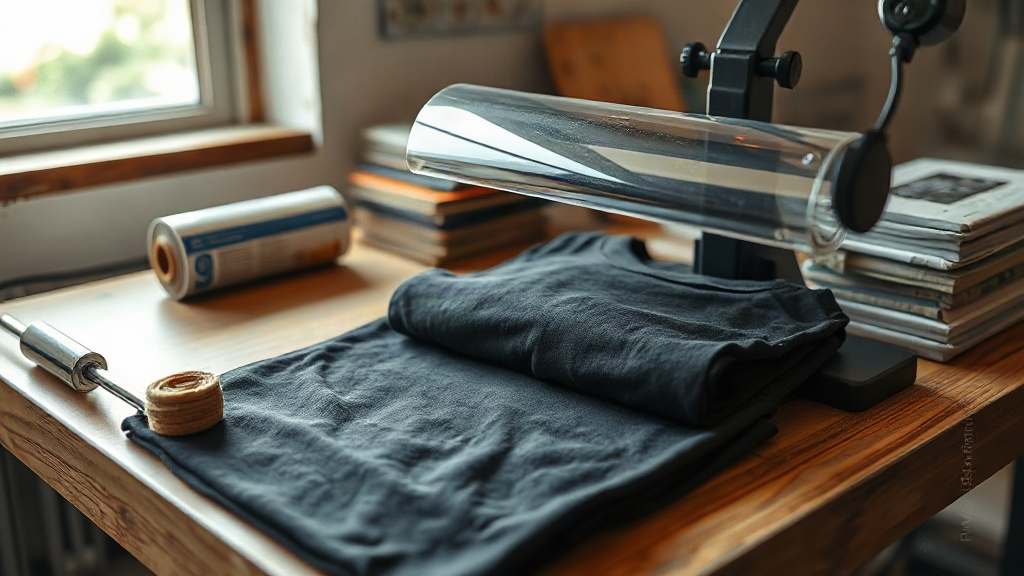
Direct-to-film printing, usually shortened to DTF Transfers, has quietly become one of the most practical ways to put full-color artwork onto fabric. Unlike screen printing, which needs a separate screen for every color, or vinyl cutting, which struggles with gradients and fine detail, DTF printing builds the entire image digitally, transfers it to a film, and then presses it onto the garment. If you run a small apparel brand, print shirts for a team, or just want to make custom pieces at home, understanding how the process actually works will save you money and frustration.
What Exactly Are DTF Transfers?
A DTF Transfers is a printed image that sits on a clear plastic film, ready to be heat pressed onto fabric. The printer lays down white ink first, then layers CMYK colors on top, and finally dusts the wet ink with a hot-melt adhesive powder. That powder is what allows the design to bond to the fabric later. Once the powder is cured, the film can be stored for weeks or even months before use.
The key difference from DTG (direct-to-garment) printing is the film. With DTG, the printer works directly on the shirt, which limits you to certain fabrics and often produces duller colors on dark garments. With DTF, the print is prepared separately, so you can press it onto cotton, polyester, blends, canvas, and even some non-fabric surfaces. That flexibility is why so many small shops have started using DTF Transfers as their primary decoration method.
How the Printing Process Works Step by Step
Even if you never touch a printer yourself, knowing the workflow helps you judge quality when buying transfers from a supplier.
- Design preparation: The artwork is converted to a format the printer understands, usually a mirrored image with a white underbase layer. The white layer matters because most fabrics are not white, and without it, colors would look muddy.
- Printing: A DTF printer uses pigment inks. It prints the white layer, then the color layer on top, all onto a PET film.
- Powdering: The printed film passes through a powder shaker that coats the wet ink with adhesive powder. Excess powder is shaken off.
- Curing: The film goes through a heat source to melt the powder into the ink. This step is critical. Under-cured powder will not bond properly, and over-cured film can become brittle.
- Pressing: At application time, the film is placed on the garment and pressed with a heat press. The adhesive melts again, fusing the design to the fabric.
- Peeling: After pressing, the film is peeled away, either hot or cold depending on the film type. What remains is a soft, stretchy print.
Why DTF Has Gained So Much Traction
The appeal is not just about color. It is about removing barriers. A screen printing setup requires emulsion, screens, a darkroom, and a lot of space. DTF requires a printer, a shaker, and a heat press. For a one-person operation working out of a garage, that difference is enormous.
There is also the matter of small runs. Screen printing a single shirt is expensive because you still have to burn the screens. With DTF Transfers, printing one design or fifty costs roughly the same per unit, which makes it ideal for print-on-demand, samples, and personalized orders.
Another advantage is detail. Fine lines, tiny text, and photographic gradients all reproduce well because the print is digital. You are not limited by mesh count or ink viscosity the way you are with screen printing.
Where DTF Falls Short
No method is perfect, and pretending otherwise does not help anyone. DTF prints have a slight hand feel, meaning you can feel the design on the fabric. On lightweight shirts, a large solid print can feel a bit rubbery. The print also sits on top of the fabric rather than soaking in, so on highly textured materials like ribbed knits or heavy canvas, the edges may not look perfectly smooth.
Durability is good when applied correctly, but it depends heavily on press settings. A print that is pressed too cool or for too short a time will crack or peel after a few washes. Getting the temperature, pressure, and dwell time right is not optional.
Getting Press Settings Right
Most suppliers recommend a temperature range between 300°F and 330°F (150°C to 165°C), medium to firm pressure, and a dwell time of 10 to 15 seconds. But those numbers are a starting point, not a universal rule. Film brands differ, and so do heat presses. A press with a worn silicone pad may need more pressure to compensate.
Here is a practical way to dial in your settings without wasting a lot of material:
- Start with the supplier's recommended settings for the specific film you bought.
- Press a test print on the same fabric you plan to use for the real order.
- Wash the test piece three times and inspect for cracking, peeling, or color fading.
- Adjust one variable at a time. If the print peels, increase time or temperature slightly. If it looks scorched, lower the temperature.
Peeling method matters too. Some films are designed for hot peel, some for cold peel, and some for warm peel. Using the wrong method can ruin an otherwise perfect press. Always check the spec sheet that comes with your DTF Transfers.
Fabric Matters More Than You Think
Cotton takes DTF well, but so does polyester and blends. The main issue with polyester is heat sensitivity. Too much heat can cause the fabric to scorch or the dye to migrate into the print, which shows up as a ghostly discoloration. If you are pressing on polyester, use a lower temperature and consider a longer dwell time to compensate.
For stretchy fabrics like spandex blends, the print needs to stretch with the garment. DTF ink is somewhat elastic, but a very large solid block of color on a highly stretchy fabric may still crack over time. Keeping designs smaller and avoiding huge solid areas on stretch garments will extend the life of the print.
Buying DTF Transfers vs. Printing Your Own
If you only need a handful of prints per month, buying pre-made DTF Transfers from a supplier is usually the smarter move. You avoid the upfront cost of a printer, shaker, and curing oven, which can easily run into thousands of dollars. You also avoid the maintenance headaches that come with keeping print heads clean and ink flowing.
Printing in-house makes sense when volume is high enough to justify the equipment, or when turnaround time is critical. Some shops print their own because they want full control over color accuracy and film quality. Others outsource because they would rather focus on design and customer service than on machine upkeep.
Either way, the same rules apply: test before you commit, keep records of what works, and do not assume that a setting that worked on one fabric will work on another.
Common Mistakes That Ruin DTF Prints
Most failures come down to a few repeat offenders. Pressing without pre-pressing the garment is one. Moisture in the fabric turns to steam during pressing and prevents proper adhesion. Always pre-press for a few seconds to remove moisture and wrinkles.
Another mistake is using too much pressure. It might seem like more pressure equals better bonding, but excessive pressure can flatten the print and push adhesive into areas it should not go, which causes a messy edge. Medium pressure is usually enough.
Finally, do not skip the cooling step. Some films need to cool completely before peeling. Peeling too early pulls ink away from the fabric and leaves a dull, patchy finish.
Frequently Asked Questions About DTF Transfers
How long do DTF transfers last on a shirt?
With correct pressing and normal washing, a well-applied print can last through dozens of wash cycles. Longevity depends on the fabric, the film quality, and how the shirt is cared for. Washing inside out in cold water and avoiding high heat in the dryer will noticeably extend the life of the print.
Can DTF transfers be applied to dark colors?
Yes, and this is one of the biggest advantages. The white ink layer in the print acts as a base, so colors stay bright on black, navy, and other dark fabrics. Screen printing on dark garments often requires a white underbase screen, which adds cost and complexity. DTF handles it automatically.
Do DTF transfers work on 100% polyester?
They can, but you need to be careful with temperature. Polyester is heat sensitive and dye migration is a real risk. Using a lower press temperature, a shorter dwell time, and a quality film designed for synthetic fabrics will give you the best results. Always test on a scrap piece first.
What is the difference between DTF and DTG printing?
DTG prints directly onto the garment, while DTF prints onto a film that is later pressed onto the fabric. DTF generally offers better color vibrancy on dark garments and works on a wider range of fabrics, while DTG can feel softer on 100% cotton because the ink bonds directly with the fibers.
Can I stretch a DTF print after pressing?
The print has some elasticity, but it is not infinite. Small to medium designs on stretchy fabrics usually hold up well. Very large solid prints on high-stretch garments are more likely to crack over time, so design accordingly if you are working with spandex or performance wear.