
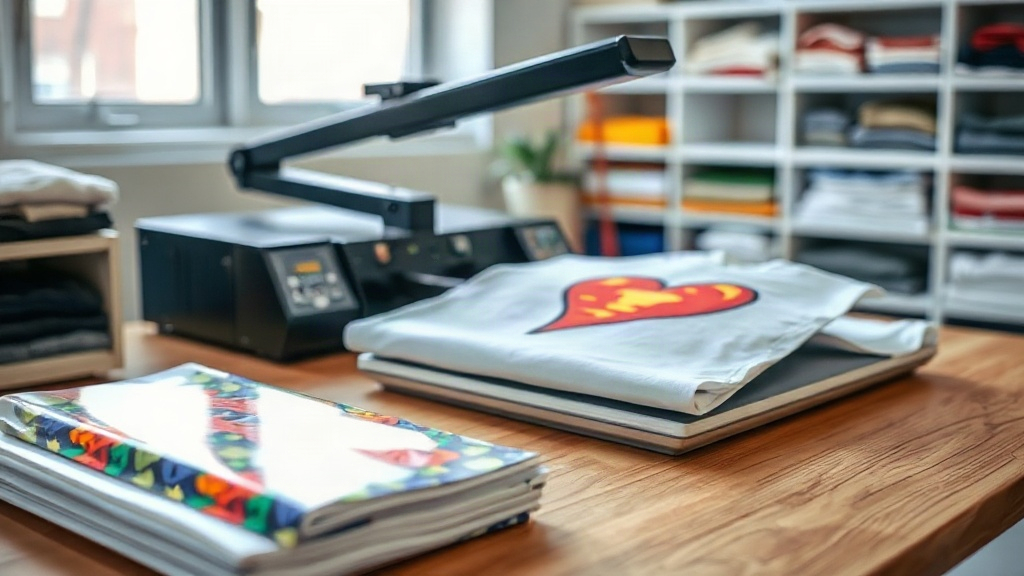
If you've been exploring custom apparel printing, you've likely encountered DTF Transfers. This technology has rapidly gained popularity for its versatility and vibrant results. Unlike traditional methods that require specific fabrics or extensive setup, DTF transfers offer a straightforward way to bring your designs to life on a wide range of materials. Whether you're a hobbyist or a small business owner, understanding DTF transfers can open up new possibilities for your creative projects. In this guide, we'll walk you through the essentials: what DTF transfers are, why they're beneficial, and how to apply them like a pro.
What Are DTF Transfers?
DTF stands for Direct to Film. It's a printing method where your design is printed onto a special film, coated with a adhesive powder, and then heat-pressed onto the fabric. The process involves a printer that uses CMYK plus white ink to create detailed, colorful designs. The white ink acts as a base, allowing the colors to pop on both light and dark garments. Once printed, the film is dusted with a thermoplastic powder that melts during pressing, bonding the design to the fabric. This method is distinct from DTG (Direct to Garment) or sublimation, offering unique advantages like the ability to print on cotton, polyester, and blends without pre-treatment.
Why Choose DTF Transfers?
There are several reasons why DTF transfers have become a go-to for many in the custom apparel industry. Let's explore the key benefits.
Versatility Across Fabrics
One of the biggest advantages of DTF transfers is their compatibility with a wide range of fabrics. Unlike sublimation, which only works on polyester, or DTG, which often requires 100% cotton, DTF can be applied to cotton, polyester, blends, and even some synthetic materials. This makes it ideal for printing on t-shirts, hoodies, tote bags, and more, regardless of the fabric composition.
Vibrant Colors and Fine Details
DTF transfers produce exceptionally vibrant colors and sharp details. The white ink base ensures that colors remain bright even on dark garments, and the printing process allows for intricate designs with gradients and fine lines. Whether you're printing a detailed illustration or a bold logo, DTF transfers capture every nuance.
Durability and Washability
When applied correctly, DTF transfers are highly durable. They resist cracking, peeling, and fading, even after multiple washes. The thermoplastic powder creates a strong bond with the fabric, ensuring the design stays put. This makes DTF transfers a great choice for items that will be worn and washed frequently.
Cost-Effective for Small Runs
For small businesses or individuals, DTF transfers are cost-effective because they don't require minimum order quantities or expensive setup like screen printing. You can print one-off designs or small batches without breaking the bank. Plus, the ability to print on demand reduces waste and inventory costs.
How to Apply DTF Transfers: Step-by-Step
Applying DTF transfers is a straightforward process, but following the correct steps is crucial for a professional finish. Here's what you need to do.
What You'll Need
- DTF transfer film with your design
- Heat press (or iron with caution)
- Parchment paper or Teflon sheet
- Garment to press onto
Step 1: Prepare Your Workspace
Set your heat press to the recommended temperature, typically around 300°F to 325°F (150°C to 160°C). Pre-press the garment for a few seconds to remove moisture and wrinkles. This ensures a smooth surface for the transfer.
Step 2: Position the Transfer
Place the DTF transfer film onto the garment with the printed side facing up. If your design has a white layer, that side should be against the fabric. Use heat-resistant tape if needed to keep it in place.
Step 3: Press the Transfer
Cover the transfer with parchment paper or a Teflon sheet. Press down with medium to firm pressure for about 10-15 seconds. Avoid moving the press during this time.
Step 4: Peel the Film
After pressing, allow the transfer to cool completely before peeling off the film. This is a cold peel process, meaning you wait until it's cool to the touch. Peel slowly and evenly. If any part of the design lifts, re-press for a few seconds.
Step 5: Post-Press for Durability
For added durability, cover the design with parchment paper and press again for 5-10 seconds. This helps the powder fully melt and bond with the fabric.
Common Mistakes to Avoid with DTF Transfers
Even though DTF transfers are user-friendly, some common pitfalls can affect the outcome. Here's what to watch out for.
Incorrect Temperature or Pressure
Too much heat can scorch the fabric or cause the transfer to over-melt, leading to a messy result. Too little heat means the powder won't activate, and the design may peel. Always follow the recommended settings for your specific transfer and fabric.
Peeling Too Soon
Patience is key. Peeling the film while it's still warm can stretch the design or leave residue. Wait until it's completely cool.
Not Pre-Pressing the Garment
Skipping the pre-press can trap moisture, causing the transfer to bubble or not adhere properly. Always pre-press for a few seconds.
DTF Transfers vs. Other Printing Methods
How do DTF transfers stack up against other popular methods? Let's compare.
DTF vs. Screen Printing
Screen printing is cost-effective for large orders but requires setup and is limited in color complexity. DTF transfers are better for small runs and detailed designs with gradients. DTF also works on more fabric types.
DTF vs. DTG
DTG prints directly onto the garment, often requiring 100% cotton and pre-treatment. DTF transfers can be used on a wider range of fabrics and don't need pre-treatment, but they involve an extra transfer step.
DTF vs. Sublimation
Sublimation only works on polyester and light-colored fabrics, as the ink becomes part of the fabric. DTF transfers can be applied to cotton and dark fabrics, offering more versatility.
Tips for Perfect DTF Transfers
To ensure your DTF transfers look professional every time, keep these tips in mind.
- Always test your settings on a scrap piece of fabric before pressing your final garment.
- Store unused transfers in a cool, dry place to prevent the powder from absorbing moisture.
- Use a heat press rather than an iron for consistent pressure and temperature.
- For multi-color designs, ensure your printer uses high-quality inks and films.
- Wash garments inside out in cold water and avoid fabric softeners to prolong the life of the transfer.
Frequently Asked Questions
Can I use DTF transfers on any fabric?
DTF transfers work on most fabrics, including cotton, polyester, blends, and even some nylons. However, fabrics with a rough texture or heavy coatings may not yield the best results. It's always a good idea to test on a small area first.
How long do DTF transfers last?
With proper application and care, DTF transfers can last as long as the garment itself. They resist cracking and fading, but following washing instructions (inside out, cold water, no bleach) will maximize their lifespan.
Do I need a special printer for DTF transfers?
Yes, DTF printing requires a printer that uses DTF inks (CMYK plus white) and can print onto film. Many converted Epson printers are popular for this purpose. Alternatively, you can purchase pre-printed transfers from a supplier.
What is the difference between DTF and DTG?
DTG prints directly onto the garment, often requiring 100% cotton and pre-treatment. DTF involves printing onto a film, applying adhesive powder, and then transferring to the fabric. DTF works on more fabric types and doesn't require pre-treatment.
Can I stretch DTF transfers?
DTF transfers have some stretchability, but excessive stretching can cause cracking. They are best suited for areas that don't undergo extreme stretching, such as the chest or back of a shirt.
Conclusion
DTF Transfers are a game-changer in the world of custom apparel, offering versatility, vibrant colors, and durability. Whether you're printing for personal use or starting a business, mastering DTF transfers can elevate your designs. Remember to follow the application steps carefully, avoid common mistakes, and care for your garments properly. With practice, you'll be creating stunning, long-lasting prints that impress. So gather your materials, fire up your heat press, and let your creativity shine with DTF transfers.