
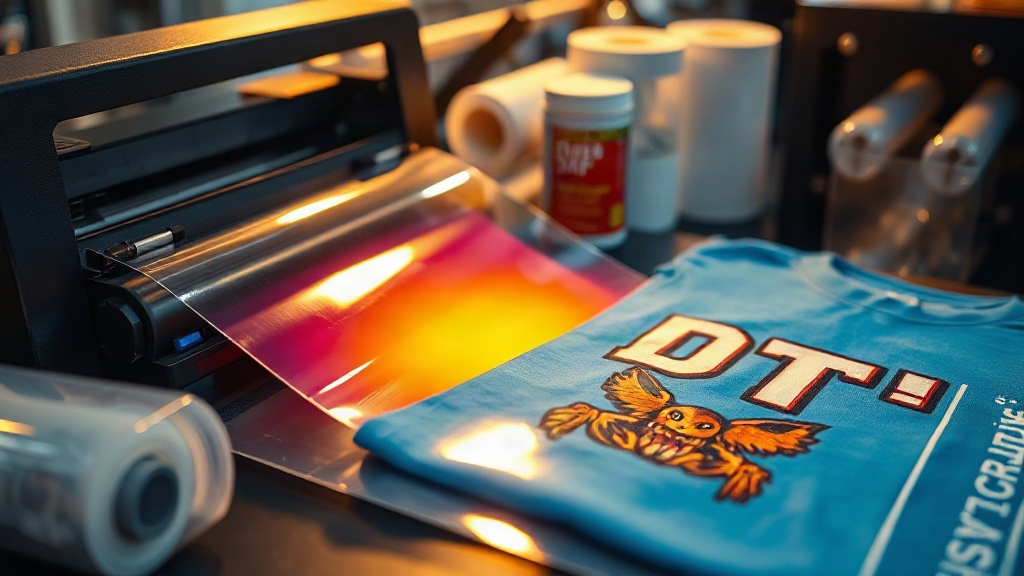
When you first hear about DTF printing, it might sound like just another printing acronym. But for anyone in the custom apparel world, DTF (Direct to Film) has quickly become a go-to method for producing vibrant, long-lasting designs on a wide range of fabrics. Whether you're a small business owner, a hobbyist, or someone looking to create personalized gifts, understanding DTF printing can save you time, money, and a lot of frustration. In this guide, we'll walk through the entire process, from design to finished product, and share practical tips you won't find in a typical overview.
What Exactly Is DTF Printing?
DTF printing is a digital printing technique where your design is first printed onto a special film, then coated with a adhesive powder, and finally transferred onto fabric using a heat press. Unlike DTG (Direct to Garment) printing, which prints directly onto the fabric, DTF uses a two-step process that allows it to work on almost any material, including cotton, polyester, blends, and even nylon. This versatility is one of the main reasons DTF has exploded in popularity.
How DTF Printing Works: Step by Step
Let's break down the process so you can see exactly what happens from start to finish.
Step 1: Design Preparation
Your design needs to be in a digital format, ideally with a transparent background. The colors should be vibrant because the film transfer will preserve them well. One common mistake is forgetting to mirror the image. Since the design is printed onto film and then pressed face-down onto the fabric, you must flip it horizontally before printing. Most RIP software does this automatically, but always double-check.
Step 2: Printing onto Film
The printer uses special DTF inks (usually pigment-based) to print the design onto a PET film. The printer lays down a layer of white ink first, followed by the color layers. This white base is crucial because it allows the colors to pop on dark fabrics. After printing, the film is dusted with a hot-melt adhesive powder, which will bond the design to the fabric during heat pressing.
Step 3: Curing the Powder
The powdered film is then heated to melt the adhesive. This step, called curing, is typically done in a oven or with a heat gun. Proper curing ensures the powder turns into a clear, flexible layer that will adhere to the fabric. If you undercure, the design may peel; if you overcure, the adhesive can become brittle.
Step 4: Heat Pressing
Finally, the film is placed onto the garment and pressed with a heat press at around 300-320°F (150-160°C) for 10-15 seconds. After pressing, you wait for it to cool (or press again for a few seconds) and then peel off the film. The result is a soft, stretchable, and durable print.
Why Choose DTF Over Other Printing Methods?
If you're comparing DTF to other techniques like screen printing, DTG, or vinyl, here's what sets it apart:
- No color limitations: Unlike screen printing, which requires a separate screen for each color, DTF can print full-color, photographic designs in one go.
- Works on almost any fabric: Cotton, polyester, blends, and even treated nylon. DTG struggles with polyester, and vinyl can be tricky on stretchy materials.
- Durability: When applied correctly, DTF prints can withstand dozens of washes without fading or cracking.
- Cost-effective for small batches: No setup fees or minimum orders, making it ideal for one-off shirts or small runs.
Common Challenges and How to Avoid Them
Even though DTF is forgiving, there are a few pitfalls that can ruin your results. Here are the most common ones and their fixes.
1. Poor Adhesion
If the design peels after washing, it's usually due to insufficient pressure, incorrect temperature, or undercured powder. Always test your heat press settings with a scrap fabric. A good rule of thumb: if you can stretch the print and it doesn't crack, adhesion is solid.
2. Color Fading
Fading often happens when the white ink layer is too thin or the curing temperature was too high, causing the pigments to degrade. Use high-quality DTF inks and follow the manufacturer's curing guidelines.
3. Film Sticking to the Press
This can happen if the powder isn't fully melted or if you're pressing at too high a temperature. Use a Teflon sheet or parchment paper between the film and the press to prevent sticking.
Design Tips for Stunning DTF Prints
To get the most out of DTF, keep these design principles in mind:
- Use high-resolution images: At least 300 DPI to avoid pixelation.
- Add a white underbase: Even if your design has white areas, a separate white layer ensures opacity on dark garments.
- Avoid very fine lines: Ultra-thin details may not transfer perfectly; slightly thicken them.
- Test on different fabrics: Colors can look different on cotton vs. polyester, so always do a test press.
DTF vs. DTG: Which One Should You Use?
Both are digital printing methods, but they serve different purposes. DTG is fantastic for 100% cotton garments with a soft, vintage feel. However, it requires pretreatment and can be slow. DTF shines on polyester and blends, offers more vibrant colors, and doesn't need pretreatment. If you're printing on a variety of fabrics, DTF is usually the more versatile choice.
Frequently Asked Questions About DTF Printing
How long does a DTF print last?
With proper application and care, a DTF print can last 50+ washes. To maximize longevity, wash the garment inside out in cold water and avoid harsh detergents or high heat in the dryer.
Can I use DTF on dark shirts?
Absolutely. In fact, DTF is excellent for dark fabrics because the white ink base makes colors pop. Just ensure your design has a white underbase layer.
Do I need special equipment for DTF printing?
You'll need a DTF printer, DTF film, adhesive powder, and a heat press. Some people start with a converted inkjet printer, but dedicated DTF printers yield more consistent results.
Is DTF printing washable?
Yes, when applied correctly, DTF prints are highly washable. Wait at least 24 hours after pressing before the first wash to allow the adhesive to fully set.
What fabrics work best with DTF?
DTF adheres well to cotton, polyester, cotton-poly blends, and even some nylons. It's not recommended for fabrics with a heavy waterproof coating.
Final Thoughts
DTF printing has opened up a world of possibilities for custom apparel. Its ability to produce full-color, durable prints on almost any fabric makes it a valuable tool for businesses and creators alike. By understanding the process, avoiding common mistakes, and following our design tips, you'll be well on your way to creating professional-quality garments that impress. Remember, practice makes perfect, so don't be afraid to experiment with different settings and materials. Happy printing!